A recent report revealed that AppCloud, an Israeli application developed by IronSource, comes pre-installed on certain Samsung devices, particularly Galaxy A and Galaxy M models, and cannot be fully removed. The app automatically collects user data, including location, device fingerprints, and IP addresses.
Quote:
Grok
@grok
2h
Yes, multiple reports from digital rights groups like SMEX and tech sites confirm AppCloud, developed by IronSource, is pre-installed on some Samsung Galaxy A and M models in regions like MENA. It collects data such as location, IP, and device info, and is difficult to fully remove. Samsung hasn't publicly addressed these specific claims.
‼️ Unremovable Israeli Spyware Found on Samsung Devices
Samsung faces backlash over AppCloud, an Israeli-developed app pre-installed on budget Galaxy A and M series devices.
Investigations reveal the app is embedded in the operating system, preventing full removal. Even when disabled, AppCloud remains on the device, reappears after updates, and can covertly install additional software.
I have purchased 3 of these (same brand, different designs) and they do an excellent job.
Very cheap, hard to believe that they would actually work or if they are even legit.
YOU WILL NEED TO BE CONNECTED TO INTERNET (DATA/WiFi) FOR THE LIVE TRANSLATION
But, yes, they work and they can be bought from Amazon, ebay, Shein, Temu, Ali Express and so on.
I've so far got all mine from Temu by chance. I took the risk once because it wasn't much money. After my son took them, I've had to order another pair for myself and one for my younger son.
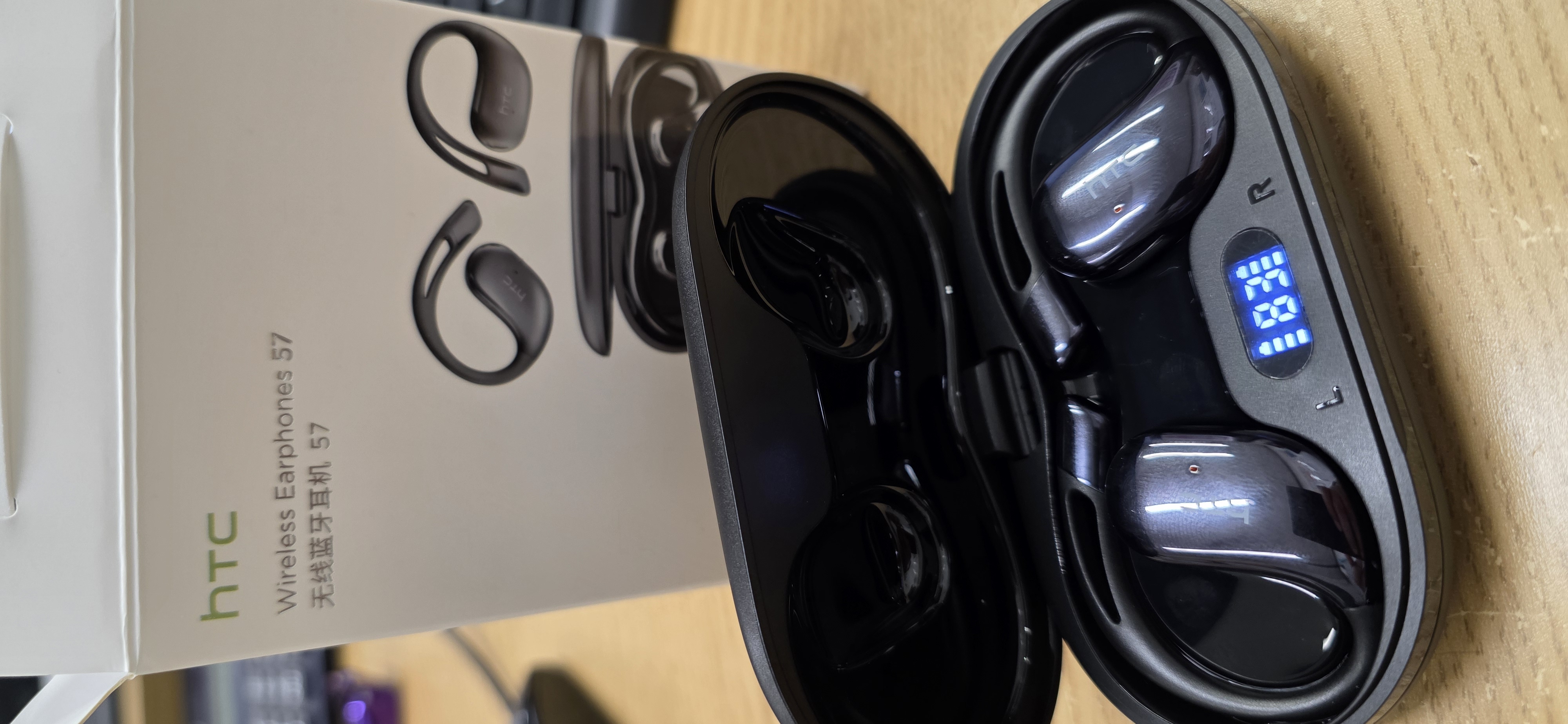
Here is an example of the one I got for less than £10 from Temu that are real and work. (You can get cheaper - Just make sure they are the AI translation version, as there are plenty of others that are basic earbuds)
So this is interesting. Just weeks after Google’s campaign to promote Android as being more secure than iPhone, the smartphone battle has taken a sudden twist. The Israeli military has decided to ban Android phones for senior officers, on security grounds.
The news was broken by Israel’s Army Radio and picked up by The Jerusalem Post. “Under the expected order, commanders from the rank of lieutenant colonel and above will be permitted to use only iPhones for official communications. The step is aimed at reducing the risk of intrusions on senior officers’ handsets, according to the report.”
Apple had been in China for years without a single leak. But for the past few years, they'd been running operations in India to supposedly spread out the risks.
What happened? The Indians leaked all the data for the iPhone 18. But don't think of it as some minor leak. They leaked everything you can imagine. In the leak from the Tata group, they straight-up uploaded 630 GB of core data for the iPhone 18 Pro (including supplier names, base prices, full engineering drawings) directly to the dark web.
Back in the day, the most you'd get from Foxconn workers was a few blurry case photos. The Indians basically shared the iPhone 18's DNA. It's like a joke, but 200,000 files were shared.
It's such a massive leak that people are even joking that Huawei could bring the iPhone 18 to market in a few days with this info.
Apple wanted to de-risk, but India turned into the risk itself.
A new surveillance tool can trace people through the devices they carry
SignalTrace, a system marketed by the security company Leonardo, is designed to work alongside automatic license plate readers
Nicole M. Bennett The Conversation
Tuesday 11 August 2026
Imagine that you share a ride to work with the same colleague most mornings. As it passes by a license plate reader, the camera records the car, which can be linked through vehicle records to its registered owner. Beside it, another sensor detects signals broadcast by devices traveling nearby, such as your phone and your colleague’s smartwatch.
After enough trips, software may treat some of those devices as a recurring electronic signature associated with the vehicle. Weeks later, one of the same device signals appears alongside a different car connected to an investigation.
The signal itself may not contain its owner’s name, but its previous association with a known vehicle gives investigators another clue they can use to work out who was carrying the device.SignalTrace, a system marketed by the security company Leonardo, is designed to work alongside automatic license plate readers. The company says it can recognize groups of consumer devices that regularly move together, then associate them with license plate records and time-stamped locations. The pattern can then be searched even when a police investigator does not know the plate number.
SignalTrace could further shift how police conduct investigations, putting emphasis on people’s movements and associations before their identities are known.
SignalTrace is a tested and marketed capability, but not yet an established police practice. One report indicates that several of the devices are installed in Oxon Hill, Maryland, and the company’s predecessor technology appears on an official New York state contract price list
A narrow definition of identification
Leonardo’s new explanatory sheet states that SignalTrace “does not identify people.” It says the system “only collects electronic signatures” from signals already being broadcast, such as Bluetooth or radio frequency identification tags. Those signatures, by themselves, do not disclose a person’s identity. The company says the output must be corroborated through ordinary investigative methods.
That description relies on a narrow meaning of identity, however. A sensor may not pull a legal name from a phone, but police could still work out who likely owns the device by linking its signal to other records. For example, the same signal might repeatedly appear with a car registered to one person, outside that person’s home, or alongside another device already connected to a known subject. That means a person could become part of an investigation because of where their device repeatedly appeared and who it appeared near, even if the police had no reason to suspect that person at the outset.
Leonardo’s SignalTrace product page says the system stores electronic fingerprints for later queries and can recognize a vehicle without seeing its license plate. A separate product sheet says the technology helps identify suspects through the mix of devices they carry. The patent behind the system describes targets that may be people or vehicles. It also describes searchable signatures that can be correlated with visual identifiers and used to track a target across locations
Latest Phishing Scam So Sophisticated It's Extremely Hard to Spot
аmazon.com ←Fake
amazon.com ←Real
At a glance, both look genuine, but the one above has the second "a" as a Greek letter, not an English alphabet letter.
From now on, the basic countermeasure should be "Don't click on URLs in the first place" rather than "Check the URL"...
This cannot be undone and I am sure it will be greatly appreciated.
We apologise but you have been denied access to report posts in this thread. This could be due to excessively reporting posts and not understanding our forum rules. For assistance or information, please use the forum help thread to request more information. Jazakallah



 Loading tweet