Forum Menu - Click/Swipe to open
 

Elements for Building a Community

You have contributed 0.0% of this topic

Thread Tools
Appreciate
Topic Appreciation
Taalibah, abu mohammed, the fake shaykh
Rank Image
True Life's avatar
Germany
481
Brother
1,718
True Life's avatar
#1 [Permalink] Posted on 11th August 2014 02:15
This is a very inspirational talk by Hadhrat Mawlana Sayed Abul Hasan Ali Nadwi (rahimullah ta'ala) from "Khutbat-e-Ali Mian" (compiled by Molvi Ramadhan Mian) called "Mu'ashrah ki T'ameer ke 'Anaasir" (starts from pg. 215, vol. 7). I'll try to translate it for the benefit of those who can't read Urdu, my time unfortunately only allows to do it in parts.

page 215-216

Where the Qur'an describes the objectives and results of Muhammadur Rasulullah ﷺ his sending and teachings, it mentions the following four explicitly:

  1. Reciting
  2. Teaching of Kitab
  3. Teaching of Hikmah
  4. Purifying of Souls


It is He who has sent among the unlettered a Messenger from themselves reciting to them His verses and purifying them and teaching them the Book and wisdom - although they were before in clear error. [62:2]
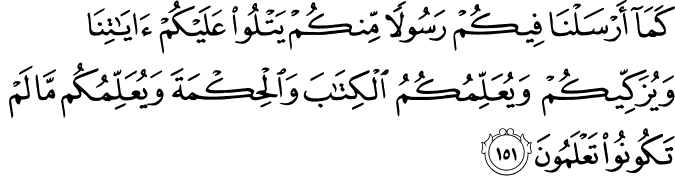

Just as We have sent among you a messenger from yourselves reciting to you Our verses and purifying you and teaching you the Book and wisdom and teaching you that which you did not know. [2:151]

In fact, dispatching Rasulullah ﷺ was based on these four branches. Just as Muhammadur Rasulullah ﷺ presented the world a new divine scripture, he granted it also knowledge and wisdom. Likewise he brought new Akhlaq, new passion and (inner) states, new conviction and beliefs, new affection and enthusiams, new high-mindedness, new passion for sacrifice, new enthusiasm for Akhirah, new passion for Zuhd and contenment, despise for the lowly goods and temporary wealth of this Dunya, new love and affection, noble beheaviour and compassion, piety and empathy and honorable moral traits... in the same manner new passion for Ibadaah, fear and awe, Tawbah and penitence, the wealth of supplicating and humility and then on the foundation of all these qualities this new Islamic society and religious enviroment was established - which is usually named the era of Prophethood and the era of Sahabah رضي الله عنهم. The noble companions were the most perfect representives and best examples of the dispatchings objectives and results. If one wants to observe these branches of prophethood shine in common lives, then look at the group of the noble Sahabah.

Essentially Rasulullah's ﷺ sending, prophethood and teaching were the source of all these blessings and from them this whole life and Islamic society of the first generation came into existence. But if one dissolves the way of procedures' details and its means and instruments, then one reaches the conclusion that the means of this mind-boggling revolution and the elements and pillars in formation of this new society and new Ummah were these three things:

  1. The revered being of Rasulullah ﷺ and his life, Seerah and Akhlaq.
  2. The holy Qur'an.
  3. Rasulullah's ﷺ statements and guidances, lectures and advices and teaching and instructions.


(to be continued...)
report post quote code quick quote reply
+2 -0Like x 2
back to top
Rank Image
True Life's avatar
Germany
481
Brother
1,718
True Life's avatar
#2 [Permalink] Posted on 18th August 2014 01:36
This is the part I just love... it also displays Hadhrat Nadwi's (rahimullah) incredible orating skills... of course my weak translation can not really reflect it, but you get insha'Allah an idea...

page 216-219

If some contemplation is done, one comes to the conclusion that these three factors and pillars contributed to the perfect advent of the objectives and results of sending Rasulullah ﷺ and the building and forming of a new Ummah. And it is furthermore also a reality, that without these 3 a complete society, a complete life and collective body in which are creed, deeds, character, enthusiasm, passions, tendencies and relationships all included are not possible to come into existence. Life is a condition for Life. Here candles are lit by candles, besides the Aqaid and 'Amal, that we observe in the lives of the noble Sahabah and their righteous successors, we see their purely Islamic Akhlaq. And plus all of that we see the high ambitions, deep religious passion and religious states/conditions. This is not the result of solely reciting the book, but it is also the effect of the most perfect and most influential live, which was infront of them day and night. It's also the benefits of the gatherings and companies, plus the statements, advices and instructions which they would equally profit from. Due to this combination this special temparement of Islam came into existence, which not only comprimised of mere regulations and laws and their legal adherance but rather the motivation and encouragement to practise upon them and the practise's true condition and soul was also present. Besides abiding by limitations and fulfilling rights there were also fine sentiments and honorable Akhlaq.

They found the command of “establishing Salah” in the holy Qur'an and they also heard the praise of الَّذِينَ هُمْ فِي صَلَاتِهِمْ خَاشِعُونَ. But they became aware of it's true condition only when they prayed along Rasulullah ﷺ and saw the condition of his Ruku and Sujud, which they described with the words نسمع له أزيزا كازيز المرجل (we heard from his blessed chest such a sound like that of a boiling cattle). They understood from the Qur'an that Salah is a practise beloved by the believer, but until they didn't hear from the blessed tounge of Rasulullah (ﷺw) قرة عيني في الصلاة‬‎ (the coolness of my eyes is in Salah) and with restlessness and total passion and limitless unrest أرحنا بها يا بلال (Oh Bilal, comfort me by giving Adhan) they never imagined such love and passion for Salah. Similarily prior to hearing about the special people of this Ummah in the words of قلبه معلق بالمسجد حتى يعود إليه (When leaving the Masjid their heart stays pendant in the Masjid, until they are not called again they are restless) they could not know about the mutual relationship between the Masjid and the heart of a Mu'min. They saw the encouragement to make Du'a time again and again in the Qur'an. They also heard of the wrath on those not supplicating and they were aware of the words and meanings of humility and invocation. But they came to know of it's reality only when they heard Rasulullah on the battle field of Badr with dust on the head saying:

اللَّهُمَّ إني أنْشُدُكَ عَهْدَكَ وَوَعْدَكَ اللَّهُمَّ إنْ شِئْتَ لَمْ تُعْبَدْ بَعْدَ اليَوْمِ
(Oh Allah, by your promise and commitment. Oh Allah, if you want to (destroy this handful group) that no one remains to worship you.) and they saw such a condition of restlessness, that Abu Bakr رضي الله عنه could not bear it and even said حسبك (Oh Rasulullah, it's enough.) They knew that the soul of Du'a was to demonstrate servitude, one's helplessness and failure. And the more this essence is found in the Du'a, the Du'a is more precious. But they came to know about the reality (of expressing) servitude, helplessness and failure only when they heard Rasulullah ﷺ supplicate:

اللَّهُمَّ إِنَّكَ تَسْمَعُ كَلامِي ، وَتَرَى مَكَانِي ، وَتَعْلَمُ سِرِّي وَعَلانِيَتِي ، لا يَخْفَى عَلَيْكَ شَيْءٌ مِنْ أَمْرِي ، وَأَنَا الْبَائِسُ الْفَقِيرُ ، الْمُسْتَغِيثُ الْمُسْتَجِيرُ ، الْوَجِلُ الْمُشْفِقُ ، الْمُقِرُّ الْمُعْتَرِفُ بِذَنَبِهِ ، أَسْأَلُكَ مَسْأَلَةَ الْمِسْكِينِ ، وَأَبْتَهِلُ إِلَيْكَ ابْتِهَالَ الْمُذْنِبِ الذَّلِيلِ ، وَأَدْعُوكَ دُعَاءَ الْخَائِفِ الضَّرِيرِ مَنْ خَضَعَتْ لَكَ رَقَبَتُهُ ، وَفَاضَتْ لَكَ عَبْرَتُهُ ، وَذُلَّ لَكَ جِسْمُهُ ، وَرَغُمَ لَكَ أَنْفُهُ ، اللَّهُمَّ لا تَجْعَلْنِي بِدُعَائِكَ شَقِيًّا ، وَكُنْ بِي رَءُوفًا رَحِيمًا يَا خَيْرَ الْمَسْئُولِينَ ، وَيَا خَيْرَ الْمُعْطِينَ
Translation: Oh Allah, verily you hear my words, and you see where I am, and you know my secrets and my apparent. None of my matters can remain hidden from you. And I am the miserable, the dependent, the one yawping in need of aid, the one seeking protection, the shaken, the fearful, the resltess, the one admitting and confessing his sins. I ask you with request of the poor, and I humbly supplicate to You with the humble supplication of the lowly sinner, and I supplicate with the supplication of the fearful, the blind, whose neck bows for you and eyes overflow and whose being is given in your way and the one who may his nose be full of dust (out of disgrace). Allah don't make me through my supplication to You unsuccessful, and be gentle and merciful to me, oh the Best to be asked and oh the Best to grant.

They had read the mention of the Dunya's irreality and Akhirah's durability in the Holy Qur'an and they remembered the words وَمَا هَذِهِ الْحَيَاةُ الدُّنْيَا إِلَّا لَهْوٌ وَلَعِبٌ وَإِنَّ الدَّارَ الْآخِرَةَ لَهِيَ الْحَيَوَانُ (What is the life of this world but amusement and play? but verily the Home in the Hereafter,- that is life indeed), but the reality and practical Tafseer of it they came to know through Rasulullah's ﷺ life and by observing his way of living and the image of his house they understood what it means to recognize Akhirah as the real life, and what the domestic life and economics looks like of those who recognize Akhirah as the real life and believe in اللهم لا عيش إلا عيش الآخرة. When in addition to this practical image and compact motivation the details and pictures of Jahannam's hardships and calamities and Jannah's bounties and pleasures are presented to them in the words of Rasulullah ﷺ it creates inside them a condition mixed of fear and passion, and the image of these both (Jahannam and Jannah) always remains infront of their eyes. Likewise they were fully aware of the meanings of qualities and teachings like compassion, humility, noble character and forbearance, they were also people of the (Arabic) language and used to read the Qur'an, but they learned the vastness of these words and their application in ones practical life after observing Rasulullah's ﷺ beheaviour towards the weak hearted, women, children, orphans, the poor, the old, all his friends and companions, the members of his household and his servants and hearing his guidances, advices and assertions regarding this. They received the guidance to fullfil the rights of all Muslims from the Qur'an in short already, but the different forms of it (for example visiting the sick, following the Janazah, responding to the sneezer etc.) might have never crossed thousands of peoples minds by itself, and if they even did their importance would have been unknown. In the same manner excellent treatment of ones parents has been greatly emphasised in the Holy Qur'an, but how many teachers of manners exist whos minds would have reached the sublime and splendid status of good treatment of ones parents and fullfilling their rights, which has been expressed in the prophetic statement إن من أبر البر أن يصل الرجل. أهل ود أبيه بعد أن يولى (The sons best status of good treatment and faithfulness towards his father is after his father's demise to tie kinship with his friends and beloved ones). And how many minds could reach this high stage of faithfulness and nobility, which the following Hadith displays:

وَرُبَّمَا ذَبَحَ الشَّاةَ ثُمَّ يُقَطِّعُهَا أَعْضَاءً , ثُمَّ يَبْعَثُهَا فِي صَدَائِقِ خَدِيجَةَ
(And when ever he ﷺ slaughtered a sheep, he would cut its parts and send them to the women friends of his late beloved wife Khadija.)

These were two three examples of social life and Akhlaq from the department of Hadith, from which we get an idea how the prophetic narrations guide us in the different branches of life, and also what new knowledge (recognition) it granted and what a treasure it is for the humanity.

(to be continued, insha'Allah...)
report post quote code quick quote reply
+1 -0Like x 1
back to top
