
Electric carts now available for Sae'e near Safa Floor-M
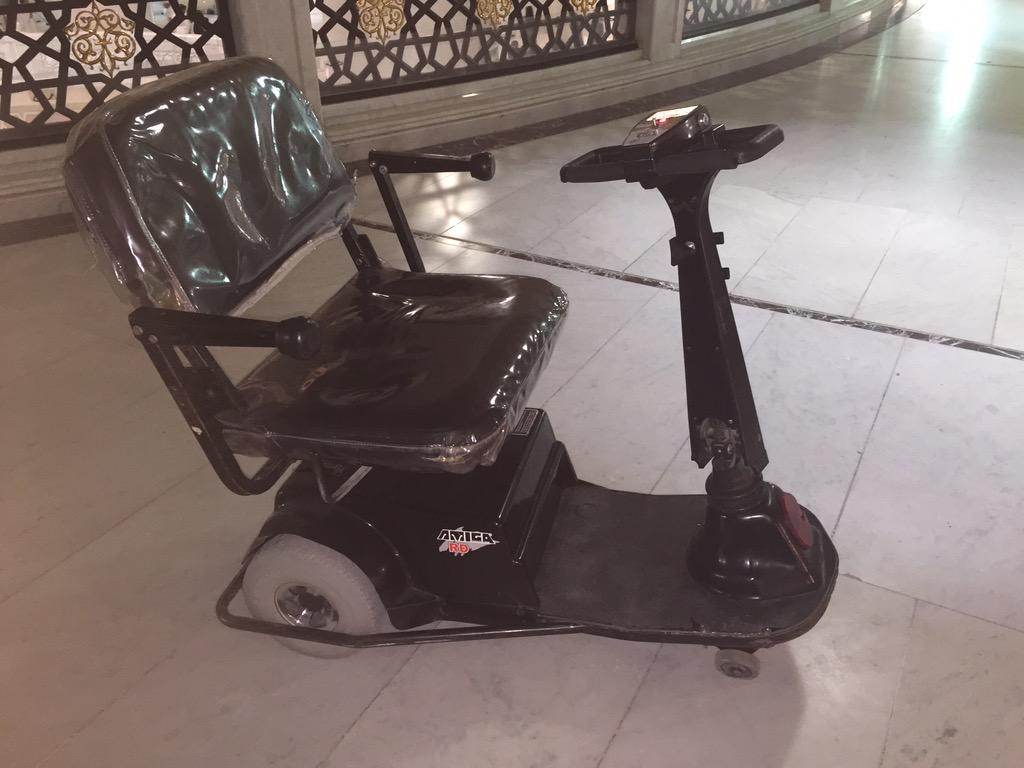
 50 Riyals
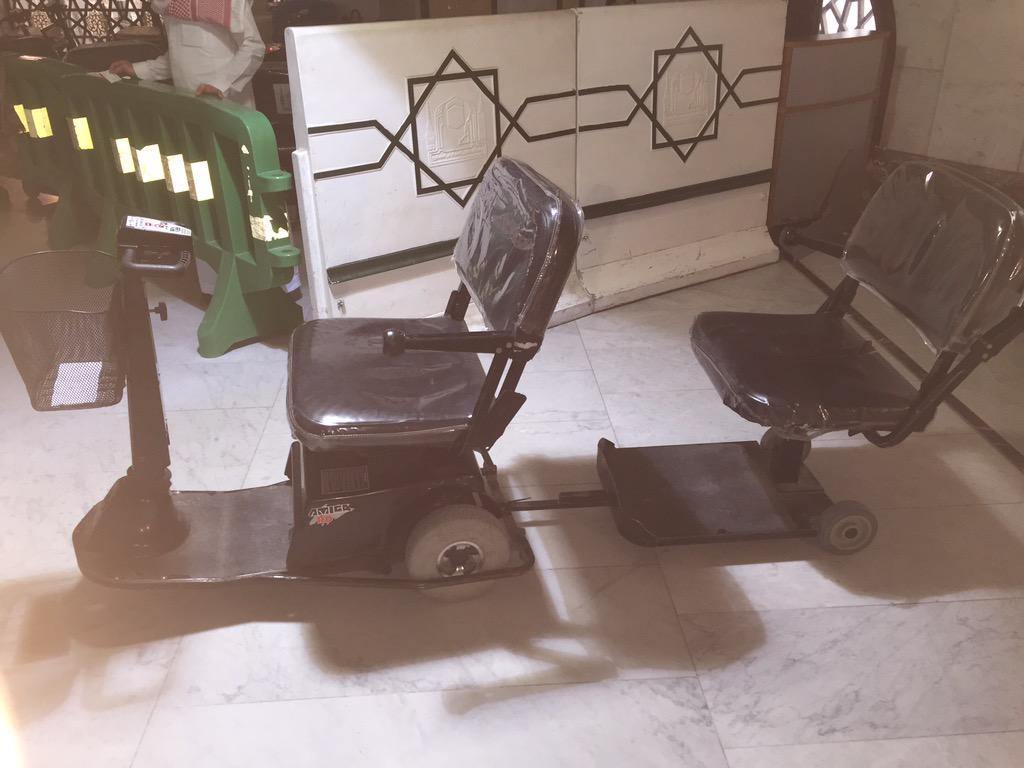
100 Riyals

You have contributed 0.4% of this topic


Electric carts now available for Sae'e near Safa Floor-M
50 Riyals
100 Riyals
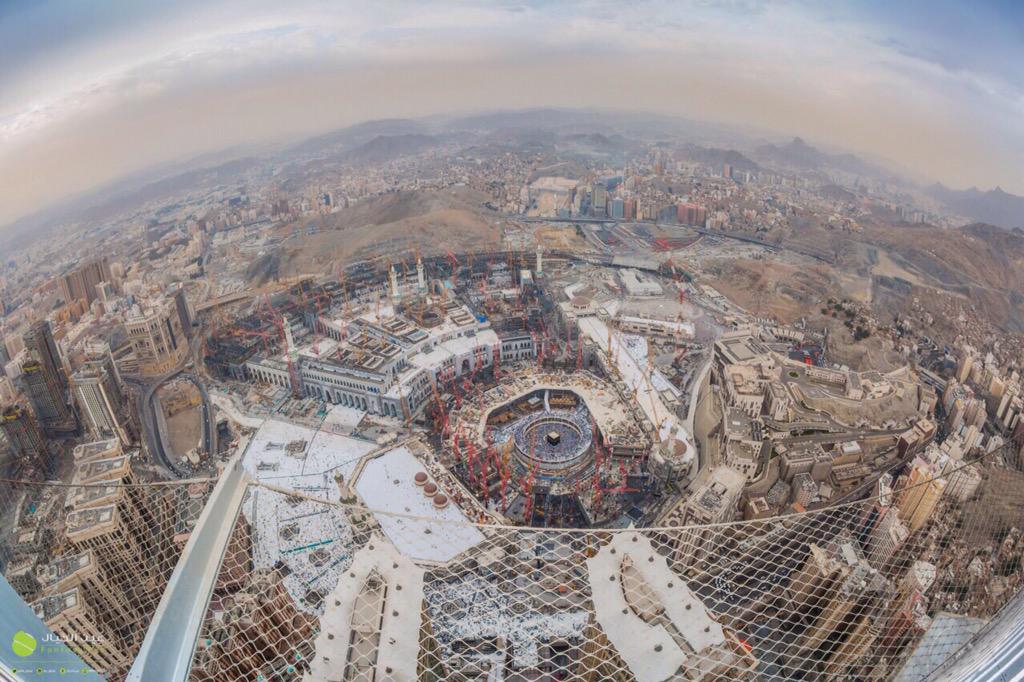
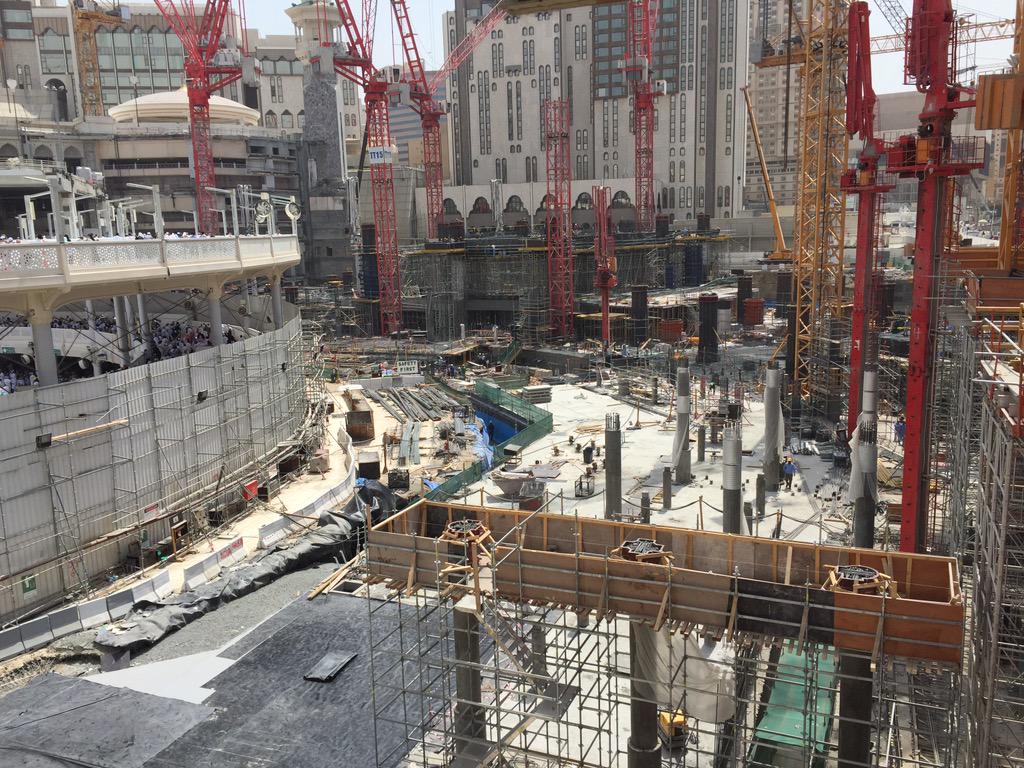
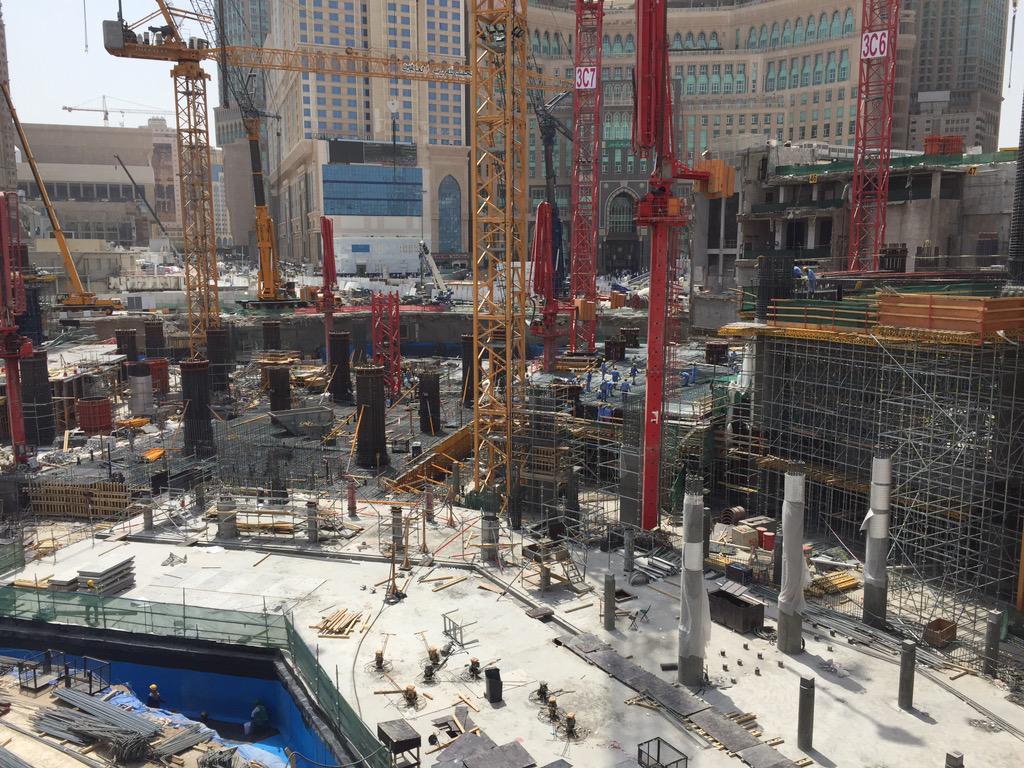
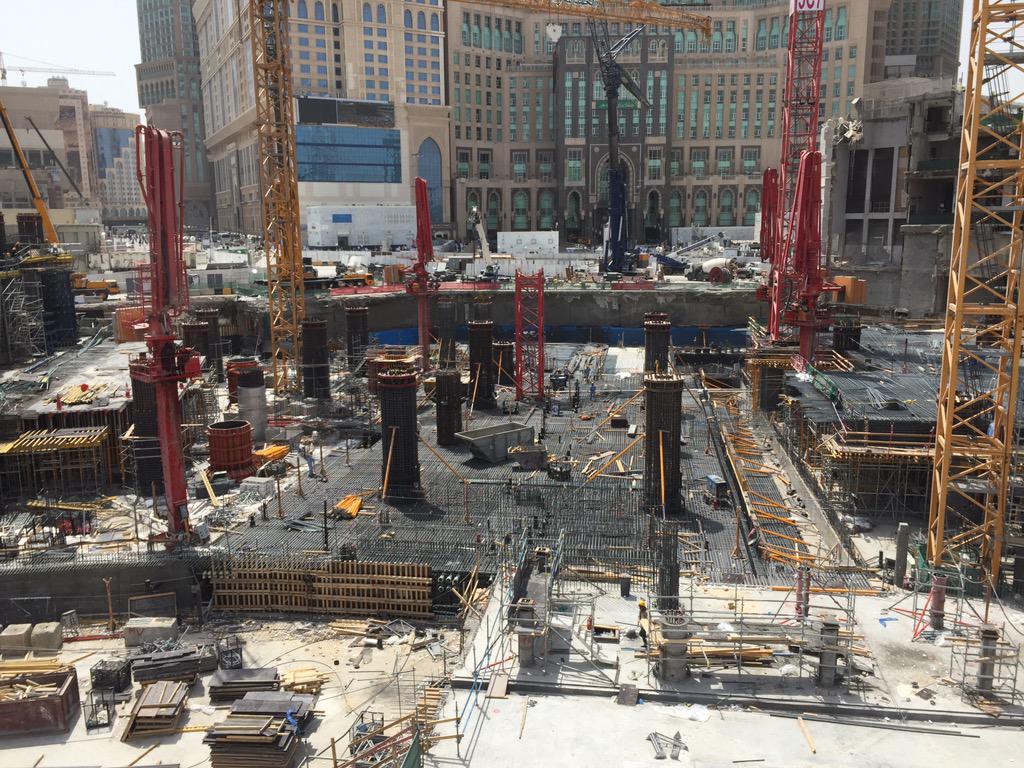
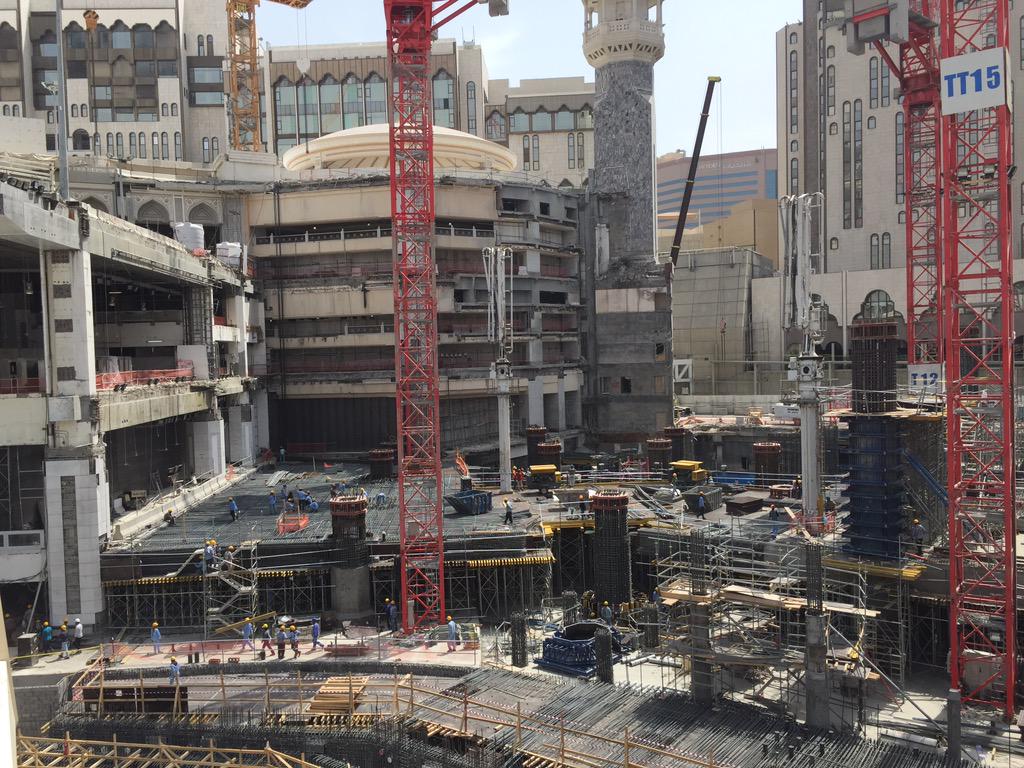
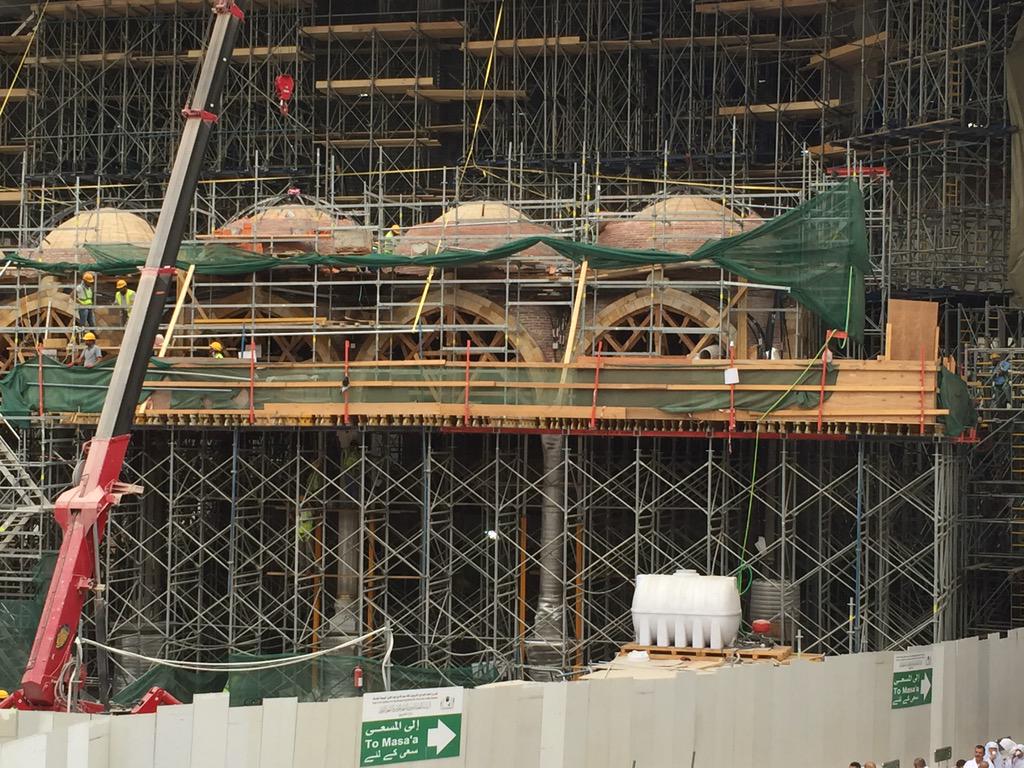
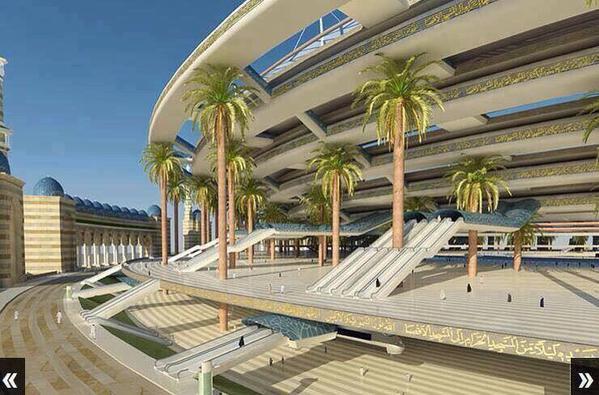
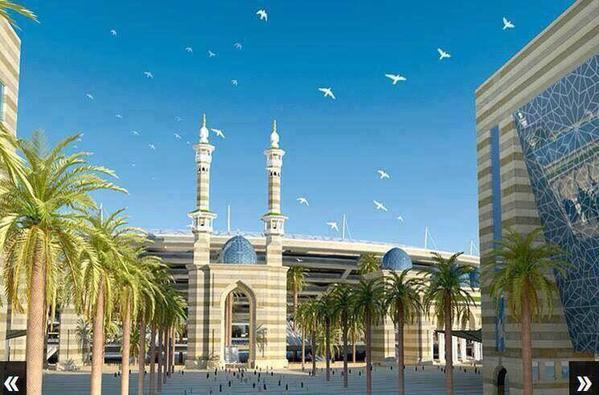
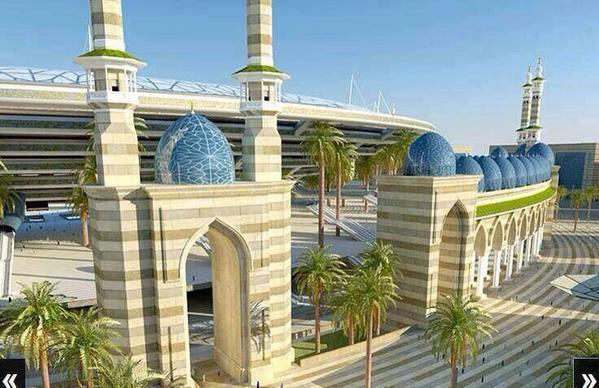
Mataf expansion updates

via @omsultanjad

via @vesileaydin76

via @kereta_kelisa

via @armomen

via @malekbnour

via @auliya.rahman

Before:

via @beautyofmakkah
After:


via @i.iz11
Insta Video:https://instagram.com/p/0QmpUTt1eS/
Insta Video:https://instagram.com/p/0TDIBkTXRh/
Insta Video:https://instagram.com/p/0VOSYyDrNP/
by @meccamoon
Mukabariyah I


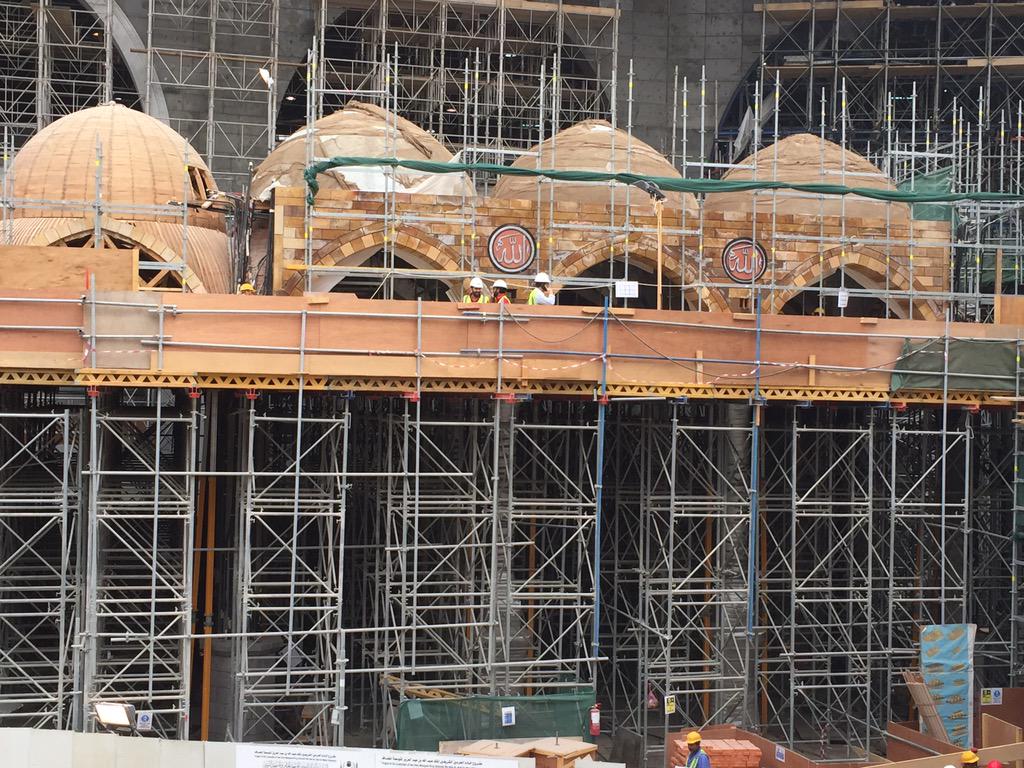
Work on Arches


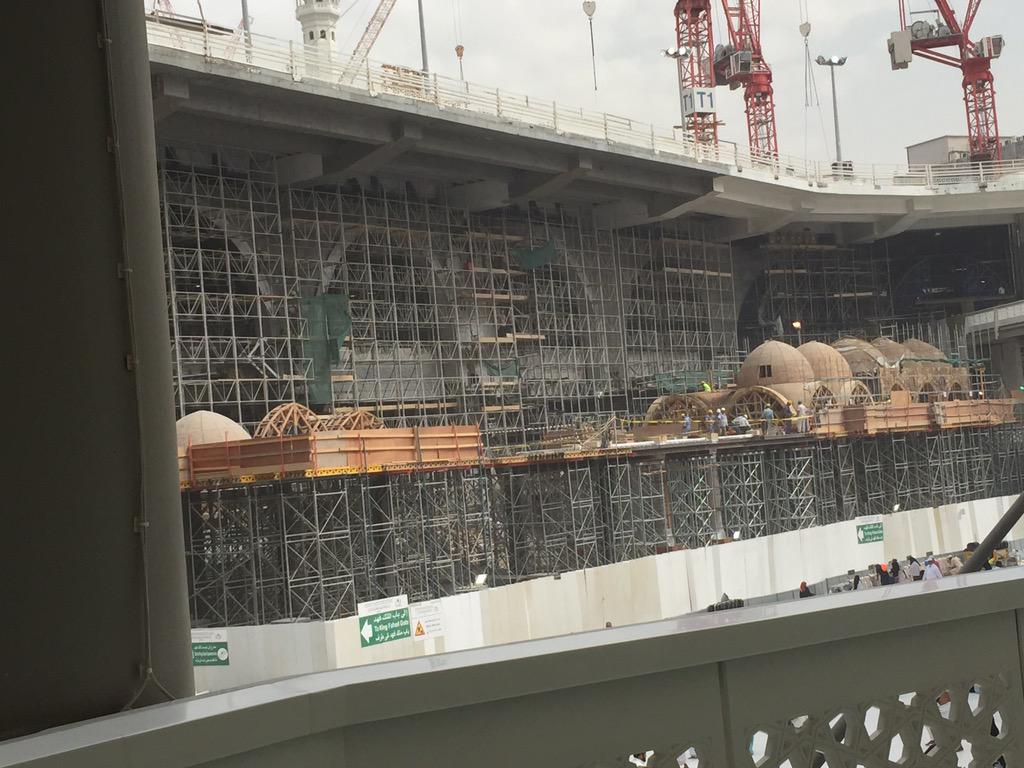
Mataf Phase III


Work on King Abdulaziz Gate foundation

via @ahmadyuniskhoja

King Fahd Expansion


via @ahmetozokur

via @areej124
so well-balanced the brightness

via @fauzanaskar

via @ramyalkammash
16 March 2015



http://www.okaz.com.sa/new/Issues/20150320/Con20150320760134.htm












Saturday, 21 March 2015
JEDDAH — Travel a few kilometers to Makkah and you are transported 1,400 years back to the time of Prophet Muhammad (peace be upon him).
This journey has been made possible thanks to the tireless efforts of Dr. Nasir Al-Quraishi Al-Zahrani, a Saudi businessman, who spent seven years writing a 500-volume encyclopedia on the Prophet (pbuh). Two years ago, he opened an information center-cum-museum based on his research work.
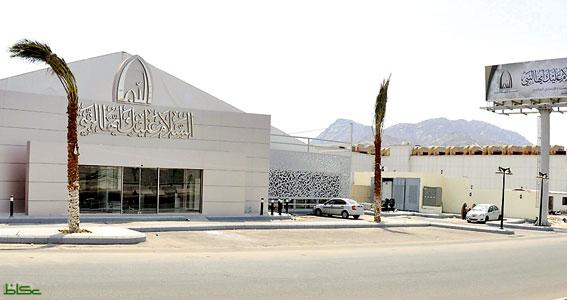
The word museum conjures up an image of a place where antiques are kept in glass cases. But the Assalmu Alaika Ayyuha Annabi project museum located in Makkah’s Al-Naseem District is different, because it uses modern technology to bring to life even the minutest details from the time and life of the Prophet (pbuh). The only sources of this information center-cum-museum have been the Holy Qur’an and the authentic Sunnah.
As you enter the museum a giant screen welcomes you with a description of the formation of this planet and the objective behind it.
Another screen describes more than 20,000 attributes of Allah as mentioned in the Holy Qur’an. An electronic display adjacent to this screen, mentions the 18,000 references on Allah’s oneness as mentioned in the Holy Qura’n.
“Feel as if the Prophet (pbuh) is with you,” says Yasir Abdul Mohsin, a PR executive at the Assalmu Alaika Ayyuha Annabi project. It is difficult to ignore his words because the ambience is awe-inspiring.
Cool, dark rooms and digitized presentations about things associated with the Prophet (pbuh) make you overwhelmed as if you were in the presence of the Apostle of Allah.
In the center of a hall are kept giant models of Makkah and Madinah as they existed during the time of the Prophet (pbuh). Yasir taps the computer screen outside the glass case, and a model of the Holy Kaaba lights up. One more tap, and small bulbs start flickering around the place where the Prophet (pbuh) lived in Makkah. With each tap on the screen, an important landmark of Makkah starts glimmering. The same happens with the model of Madinah.
A map on a wall shows the path the Prophet (pbuh) took to walk six kilometers everyday from the house of Khadija Al-Kubra (may Allah be pleased with her) to Jabal Al-Nur and climb 200 meters to enter the Hira Cave.
As you move through the rooms looking at giant electronic screens, you feel as if chapters from the life of the Prophet (pbuh) are opening up. You enter a virtual garden of the Prophet (pbuh), where more than 50 family trees describe all the relatives of the Prophet (pbuh).
A family tree lists all the prophets mentioned in the Holy Qur’an, starting with Prophet Ibrahim (peace be upon him). An electronic screen mentions all those who helped and worked with Prophet Muhammad (pbuh). Another screen lists and describes all the activities — about 10,000 — the Prophet (pbuh) did during his lifetime and the things he will do on the Day of Judgement.
Touch the screen, and it tells you that the Prophet (pbuh) will do 200 things on the Day of Judgement as mentioned in the Holy Qur’an and Sunnah.
Yet another screen mentions the 600 attributes of the Prophet (pbuh). Screen after screen describes various facets from the life and time of Prophet Muhammad (pbuh).
Standing out are those screens which mention the daily routine of the Prophet (pbuh). About 100 routines are mentioned in detail: What time he slept, what dreams he saw, what he did at home, etc.
Another screen gives the most detailed written description of the august body of the Prophet (pbuh). Each body part is mentioned on the screen, such as the eye, eyelids, eyebrows, etc. Touch the screen to know the details of a particular body part, and a new window opens.
In a hall are kept replicas of the things the Prophet (pbuh) used everyday: a three-liter pot which the Prophet (pbuh) used to take a bath, a one-liter pot for ablution, body armor, kitchen utensils, etc.
A 3D display shows the interior of the house of the Prophet (pbuh) in Madinah.
At the end of the hallway is a dark room, giving the feel of a theater. The giant screen displays in 3D format the various departments and ministries during the time of Prophet Muhammad (pbuh).
In the center of a hall are kept giant models of Makkah and Madinah as they existed during the time of the Prophet (pbuh). Yasir taps the computer screen outside the glass case, and a model of the Holy Kaaba lights up. One more tap, and small bulbs start flickering around the place where the Prophet (pbuh) lived in Makkah. With each tap on the screen, an important landmark of Makkah starts glimmering. The same happens with the model of Madinah.
A map on a wall shows the path the Prophet (pbuh) took to walk six kilometers everyday from the house of Khadija Al-Kubra (may Allah be pleased with her) to Jabal Al-Nur and climb 200 meters to enter the Hira Cave.
As you move through the rooms looking at giant electronic screens, you feel as if chapters from the life of the Prophet (pbuh) are opening up. You enter a virtual garden of the Prophet (pbuh), where more than 50 family trees describe all the relatives of the Prophet (pbuh).
A family tree lists all the prophets mentioned in the Holy Qur’an, starting with Prophet Ibrahim (peace be upon him). An electronic screen mentions all those who helped and worked with Prophet Muhammad (pbuh). Another screen lists and describes all the activities — about 10,000 — the Prophet (pbuh) did during his lifetime and the things he will do on the Day of Judgement. Touch the screen, and it tells you that the Prophet (pbuh) will do 200 things on the Day of Judgement as mentioned in the Holy Qur’an and Sunnah.
Yet another screen mentions the 600 attributes of the Prophet (pbuh). Screen after screen describes various facets from the life and time of Prophet Muhammad (pbuh).
Standing out are those screens which mention the daily routine of the Prophet (pbuh). About 100 routines are mentioned in detail: What time he slept, what dreams he saw, what he did at home, etc.
Another screen gives the most detailed written description of the august body of the Prophet (pbuh). Each body part is mentioned on the screen, such as the eye, eyelids, eyebrows, etc. Touch the screen to know the details of a particular body part, and a new window opens.
In a hall are kept replicas of the things the Prophet (pbuh) used everyday: A three-liter pot which the Prophet (pbuh) used to take bath with, a one-liter pot for ablution, body armor, kitchen utensils, etc.
A 3D display shows the interior of the house of the Prophet (pbuh) in Madinah.
At the end of the hallway is a dark room, giving the feel of a theater. The giant screen displays in 3D format the various departments and ministries during the time of Prophet Muhammad (pbuh).
Man with a mission
Dr. Nasir Al-Quraishi Al-Zahrani is a man with a mission. He spent seven years writing a 500-volume encyclopedia on the Prophet (pbuh), each volume containing 500 pages.
In the Assalmu Alaika Ayyuha Annabi project museum is a room where stacks of pages of the manuscript are kept in a glass case. Dr. Nasir scribbled notes wherever he was. So there is a Turkish airline flyer with notes written on it, a Marriott Hotel notepad etc. There are more than 250 pens used by the author while writing the encyclopedia. He has signed a contract with King Saud University to translate the encyclopedia into 10 different languages, starting with English.
“I wanted to present Sirat Nabi (character of the Prophet (pbuh)) in the light of the Holy Qur’an and authentic Ahadith (sayings and teachings of the Prophet (pbuh)). I never thought that this would turn into a huge project,” Dr. Nasir told Saudi Gazette.
After finishing the encyclopedia, Dr. Nasir launched the Assalmu Alaika Ayyuha Annabi project, which today runs a museum, a television channel and a huge library containing more than 20,000 books to date.
The library, which is still in its nascent stage, has everything written on the Prophet (pbuh) in any language.
Dr. Nasir is planning to open 20 branches of the museum. Dubai already has a branch.
Adjacent to the museum in Makkah is the multi-story headquarters of the Assalmu Alaika Ayyuha Annabi project where more than 200 staff of various nationalities are employed. Dr. Nasir himself spends all his time in his room there. He even sleeps and eats there. He has dedicated his full time to the research work.
“Allah has selected me for this project,” he said, adding that all Muslims will benefit as they will get to know the true message of Islam.
“We will prove that Islam is a religion of peace and not of terrorism. We will rectify the negative image of Islam as being projected by deviants today,” said Dr. Nasir.
“Muslims mistakenly think about Sirat Nabi as relating to war and war booties. The fact, however, is that in his life of 13 years in Makkah, the Prophet (pbuh) never picked up even a stick. He spread the religion through his manners and etiquette.”
http://www.saudigazette.com.sa/index...20150321237684

Saturday 21 March 2015
Director General of the Charity Foundation for Building Mosques (Masajed), Hamad Al-Olayan, said that there is a large number of Saudi donors who prefer to contribute funds to building small mosques rather than larger ones.
Al-Olayan attributed this to the popularity and speed of construction of these small mosques, in addition to their low cost and extreme need in some areas, especially in small towns, and residential neighborhoods.
The director said that a coordination meeting was held recently with the Engineering Services Charity (Handseah) to create designs and review previous models for small mosques, which range in size from 100 to 300 square meters. “The coordination meeting discussed future plans regarding the engineering designs of mosques, and how to supervise mosque-building projects currently being implemented,” he said.
Al-Olayan said the idea of cooperation among many donors in order to build a mosque has gained popularity recently. Speaking on the engineering method used for mosque construction in the Kingdom, Al-Olayan explained that mosque designs in the Kingdom have become a model sought by other countries due to their simplicity and beauty.
The Masajed Foundation began three and a half years ago under the supervision of the Ministry of Islamic Affairs, Endowments, Call and Guidance, and is responsible for the building of mosques and their maintenance all over the kingdom.
http://www.arabnews.com/saudi-arabia/news/721196
Saturday 21 March 2015
Prince Sultan bin Salman, president of the Saudi Commission for Tourism & Antiquities (SCTA), stressed recently the importance of conserving Islamic history sites.
“When we study Islamic history we realize that Islam is a religion of civilization and prosperity,” he said during his speech at the Mohammad bin Saud Islamic University on heritage preservation efforts. "We should highlight and demonstrate the civilized aspects of it since the early times,” Prince Salman said.
“Delivering the right message of Islam to the world and a true understanding of this great religion is all the more important, especially in times when the image of Islam is distorted overseas by misguided people,” he stressed.
He added that the aim of the SCTA and the rest of the education centers in the Kingdom is to work side by side with all universities to strengthen and continue the mutual understanding of Islamic history, and the civilizations that preceded Islam.
He added that Islam did not spread on a vacuum, but rather, it emerged from very influential economic and cultural centers such as Makkah and Madinah which were the hubs of ancient trade caravans.
“Saudi Arabia is a major success story. It was built on faith, moderation and Islamic values of tolerance and cooperation. We want to consolidate our understanding of our country’s history through new thinking to appreciate the true value of this homeland and its great epic of unification which was based on the aspects of religious and social affinities,” he said.
He added that the SCTA works in accordance with the directives of King Salman and in accordance with the guidelines of the late King Abdullah bin Abdulaziz in the field of conservation and development of the cultural heritage of the Kingdom.
http://www.arabnews.com/travel/news/721221

Mataf expansion updates
King Fahd Expansion

via @ksadior

via @s_9861

According to @meccamoon, an electrical room will be built in place.
Mataf Phase III

via @ghida_talal

via @dr426

via @s_9861


via @rabeakhalifa
On Safa side

Cantilevers for 3rd Floor

via @3refey


via @meccamoon

via @raghad_ssk

via @x_dm9
https://instagram.com/p/0fAPjVmauI/
15 March 2015


12 March 2015


 Model of Makkah during the lifetime of Prophet Muhammad (peace be upon him).
 Model of Madinah during the lifetime of Prophet Muhammad (peace be upon him).
 Makkah at the time of Prophet Ibrahim.
 A section about all the prophets and messengers mentioned in the Qur’an.
 Replicas of the day-to-day items used by the Prophet (pbuh).
 A theater-like display describing the ministries and
 A map showing the path the Prophet (pbuh) took to walk six kilometers everyday from the house of Khadija Al-Kubra (may Allah be pleased with her) to Jabal Al-Nur and climb 200 meters to enter the Hira Cave.
 Replicas of the day-to-day items used by the Prophet (pbuh).
 A section which lists various attributes of Allah as mentioned in the Qur’an and the numerous
 The stacks of pages of the manuscript of the encyclopedia. Dr. Nasir scribbled notes wherever he was. So there is a Turkish airline flyer
 The replicas of a three-liter pot which the Prophet (pbuh) used to take a bath, a one-liter pot for ablution, and kitchen utensils.
 Things the Prophet (pbuh) for the treatment of ailments.


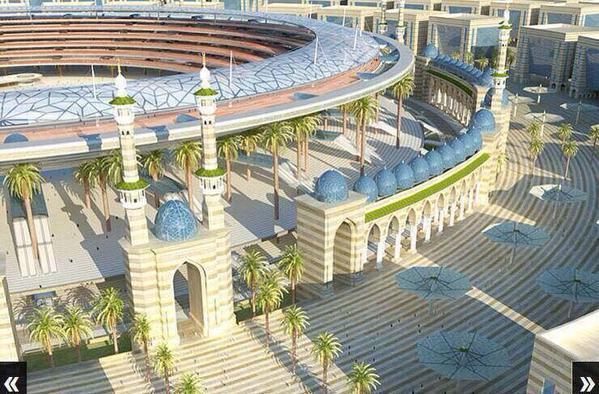




This cannot be undone and I am sure it will be greatly appreciated.
Please wait...


