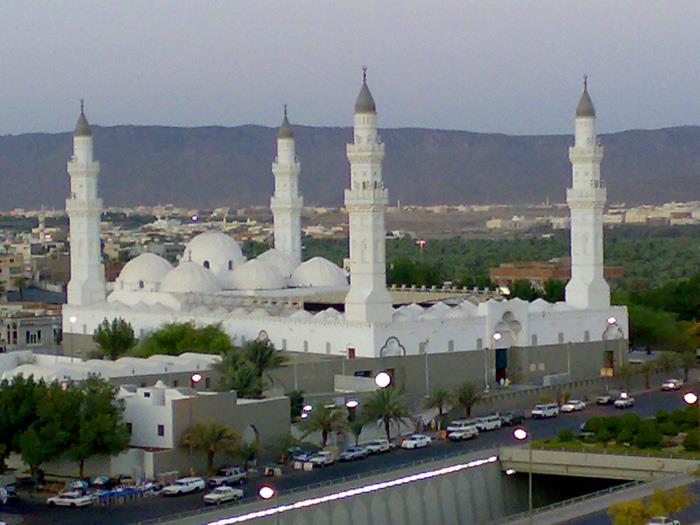
Restoration of Quba Castle in Madinah الهيئة العامة للسياحة والآثار تشرع بترميم قلعة قباء التاريخية 
المدينة المنورة 28 شوال 1435 هـ الموافق 24 اغسطس 2014 م واس
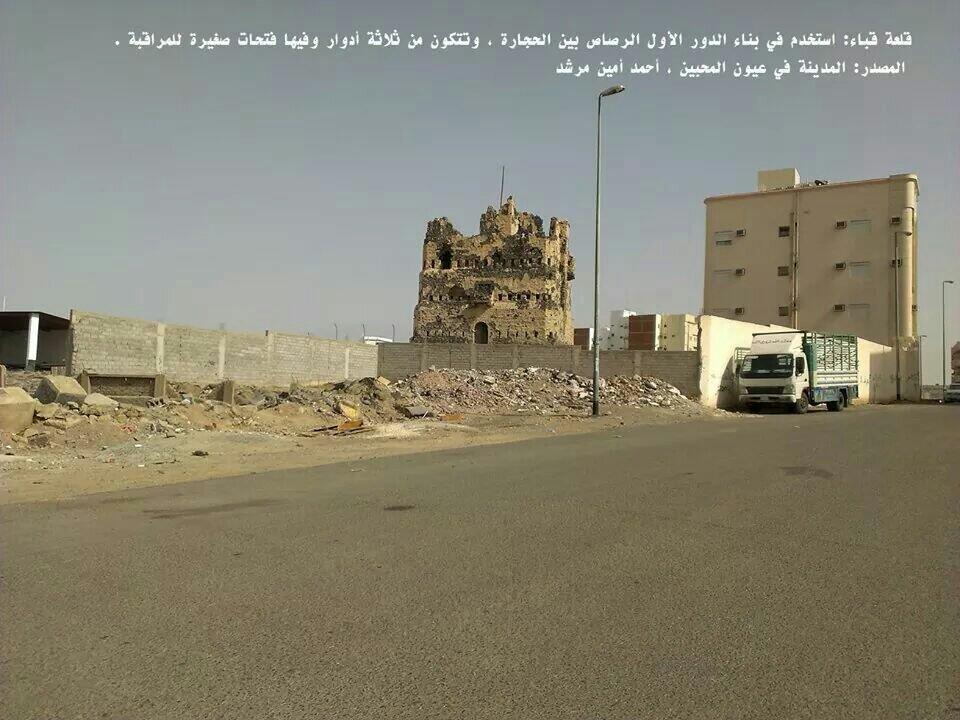
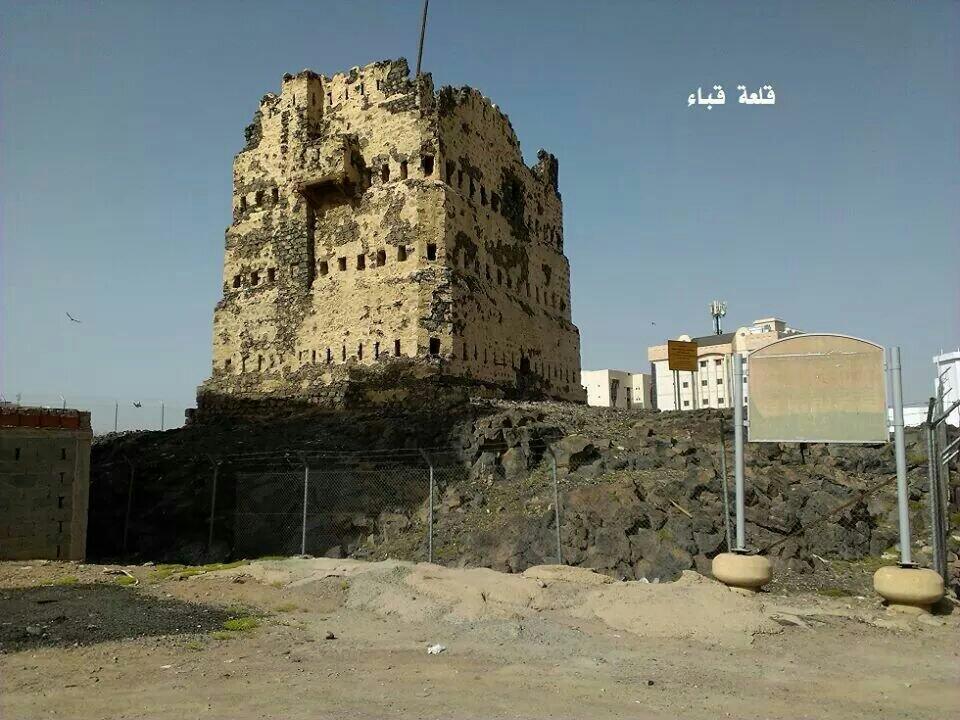
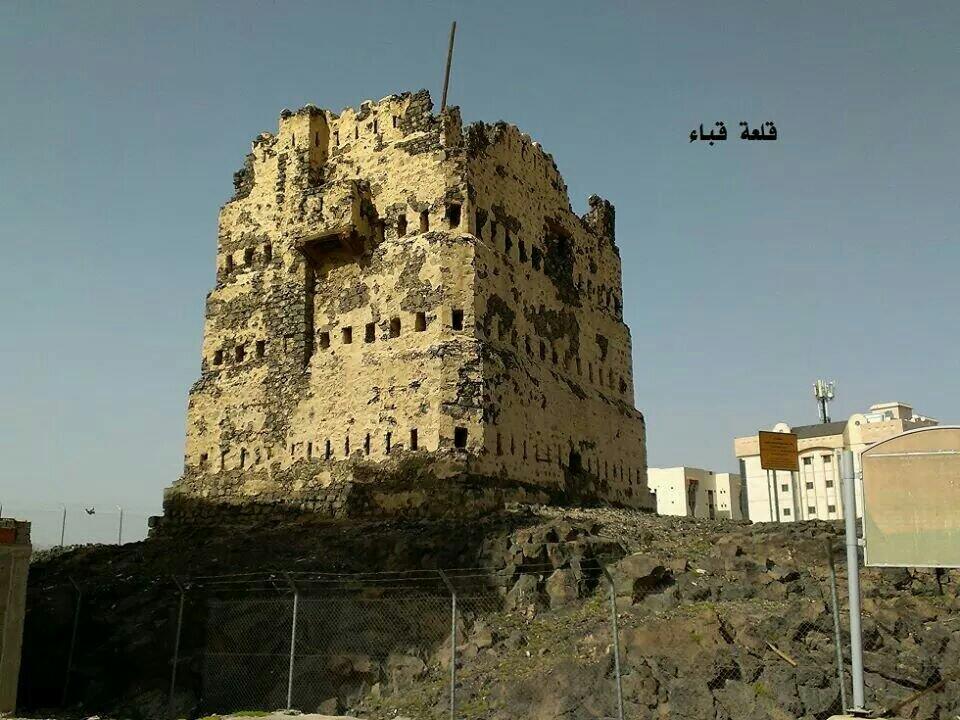
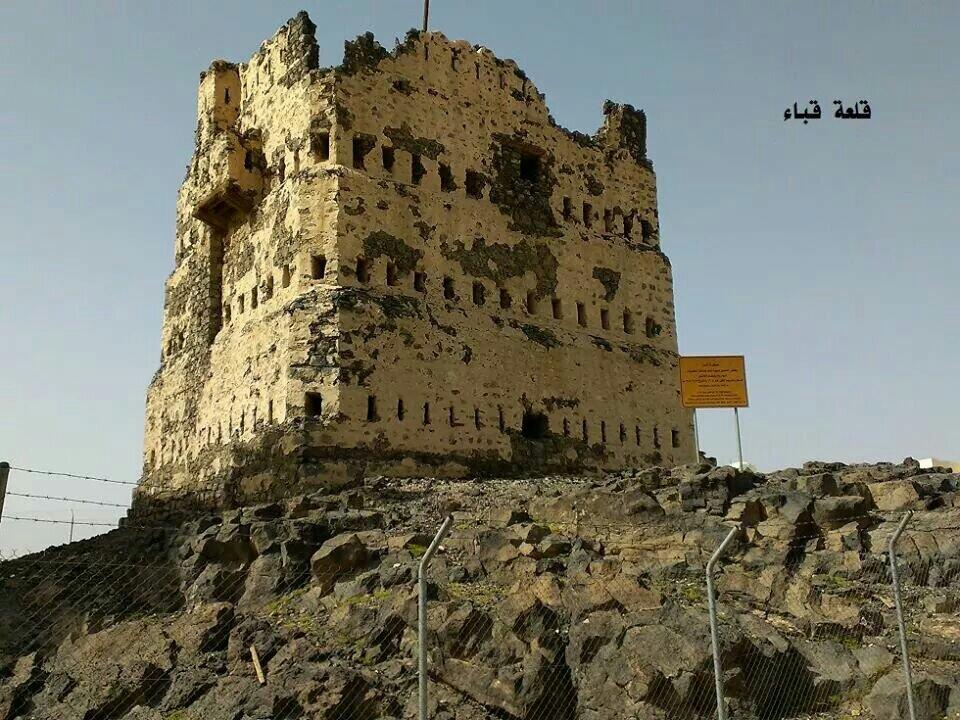
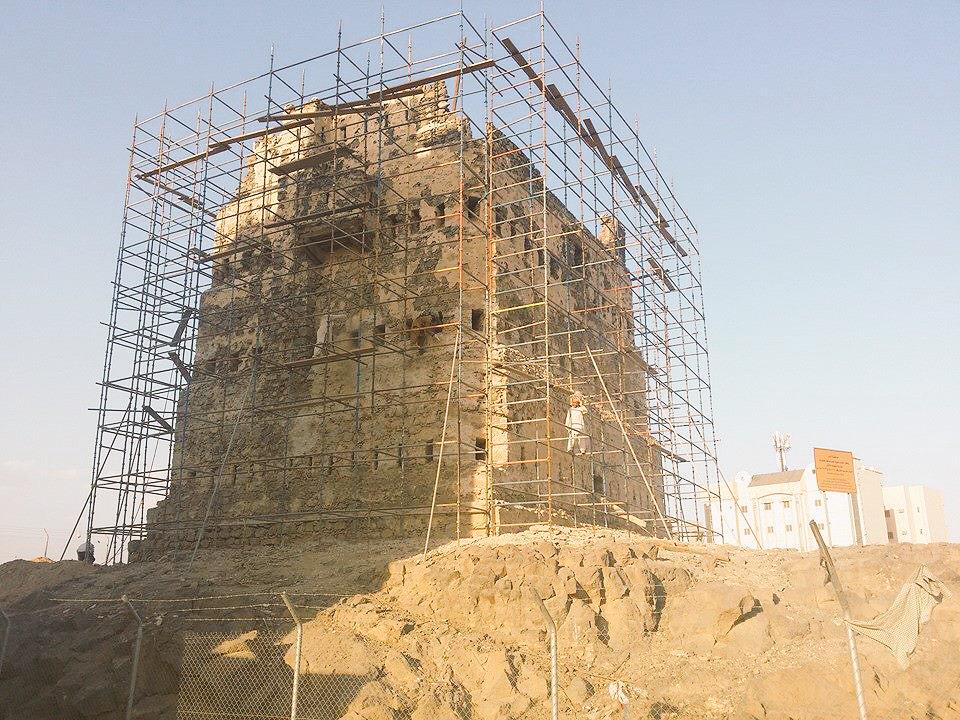
شرعت الهيئة العامة للسياحة والآثار في تنفيذ مشروع تأهيل وترميم القلعة التاريخية بقباء التي تم بناؤها عام 1915 م بمساحة 218 مترا مربعا , ضمن مشاريع الهيئة لصيانة وترميم المواقع الأثرية والتاريخية في المدينة المنورة.
وأوضح مدير عام فرع الهيئة أمين عام مجلس التنمية السياحية بالمنطقة الدكتور يوسف بن حمزة المزيني أن القلعة شيدت لمراقبة القادمين للمدينة المنورة وصد الهجمات، وهي مربعة الشكل وتتميز عمارتها بسماكة البنيان، وتقوم على تلة عالية شمال مسجد قباء، وتبعد عن مسجد قباء 1500م، وتتكون من ثلاثة أدوار وجاء بناؤها من الحجارة، كما تم طلاؤها بالجس والنورة، وللقلعة مدخلا وبابا واحدا يقع في الجهة الشمالية، وقد عقد أعلاه بعقد دائري بني من الحجر المنتظم ويعتلي الباب برج المدخل الرئيسي.
وأفاد الدكتور المزيني أن إدارة التراث العمراني بالهيئة أنهت عمليات التوثيق المساحي والمعماري لموقع القلعة، لما لها من أهمية تاريخية وتراثية وأثرية، وأن القلعة مازالت في حالة عمرانية جيدة ولكن بدت عليها علامات تصدع ومظاهر التعرية مما تطلب ترميمها قبل سقوطها وضياع ملامحها التراثية، وقد استكملت جميع المخططات لتأهيلها وتوظيفها بما يتواءم وفق عناصرها المعمارية وهويتها التاريخية، مبيناً أن أعمال الترميم تشمل الإنقاذ وأعمال التدعيم والتأهيل لترميم الأساسات ومعالجة التربة وترميم الجدران الحجرية والطينية وتدعيم الأعمدة والأقواس الحجرية والأسقف الخشبية ، ومعالجة التشققات وأعمال اللياسة بأنواعها وأعمال العزل، وترميم الأبواب والنوافذ الخشبية، والأعمال الكهربائية والميكانيكية، وذلك في أطار ترميم عدد من المواقع الأثرية والتاريخية بمتابعة من صاحب السمو الملكي الأمير فيصل بن سلمان بن عبد العزيز أمير منطقة المدينة المنورة رئيس مجلس التنمية السياحية بالمدينة المنورة .
وأشار إلى توجيه صاحب السمو الملكي الأمير سلطان بن سلمان بن عبد العزيز رئيس الهيئة العامة للسياحة والآثار بأن يكون هناك مقار للحرفيين في مراكز التراث العمراني، في إطار الاهتمام بالحرفيين وإبراز مشاركاتهم, وفي هذا السياق سيكون هناك موقع لهم في قلعة قباء إضافة إلى قلعة عروة في المدينة المنورة والعلا وينبع، كما تتم دراسة إضافة مبنى محطة قطار الحجاز ليكون موقعاً يضم الحرفيين والحرفيات .
http://www.spa.gov.sa/details.php?id=1265499 Google translation: Medina, 28 Shawwal 1435 AH corresponding to August 24, 2014, SPA
General Authority for Tourism and Antiquities embarked on a project rehabilitation and restoration of the historic castle Bakaba which was built in 1915 with an area of 218 square meters, within the body projects for the maintenance and restoration of archaeological and historical sites in the city of Medina.
The general manager of the Authority branch secretary-general of the Tourist Development Council in the region Dr. Yusuf bin Muzeini that the castle was built to monitor next to the city of Medina and repel the attacks, which are square-shaped and characterized architecture thickness architecture, based on a high hill north of Quba Mosque, and away from the Quba 1500 mosque, consisting of three roles came built of stone, has also been repainted palpation and lime, and the castle entrance and one door is located on the north side, was held above circular contract built from stone and regular topping the door of the main entrance tower.
Dr. Mozainy reported that the Architectural Heritage Management Authority ended documentation spatial and architectural site castle operations, because of their historical and cultural and archaeological importance, and that the castle is still in good urban condition but seemed to them cracked and manifestations of signs of erosion, requiring restoration before the crash and the loss of her features heritage, has completed all plans for rehabilitation and employment in line according to the architectural elements of historical identity, noting that the restoration work, including rescue and business consolidation and rehabilitation to restore the foundations and soil treatment and restoration of stone and mud walls and supporting columns and stone arches and ceilings of wood, and treat cracks and acts of filler types, insulation, and restoration of doors and wooden windows, and electrical work and mechanical, as part of the restoration of a number of archaeological and historical sites follow-up of His Royal Highness Prince Faisal bin Salman bin Abdulaziz, Governor of Medina Chairman of the Tourist Development Council Madinah.
He pointed to His Royal Highness Prince Sultan bin Salman bin Abdul Aziz, Chairman of the General Authority for Tourism and Antiquities directed that there be headquarters for artisans in the urban heritage centers, in the context of interest artisans and to highlight their participation, and in this context, there will be a site for them in Quba Castle addition to buttonhole Castle in Medina and Ela stems, also be considered in addition Hijaz train station building to be signed includes craftsmen and craftswomen.
10 November 2014
تتواصل أعمال الترميم لقصر عروة بن الزبير التاريخي حتى شهر نهاية ربيع الآخر، وتشمل عمليات الترميم والتأهيل، التدعيم والفك والإزالة وترميم الأساسات ومعالجة التربة وترميم الجدران الحجرية والطينية، وترميم والأقواس الحجرية والأسقف الخشبية، ومعالجة التشققات وأعمال اللياسة بأنواعها وأعمال العزل، وترميم الأبواب والنوافذ الخشبية، والأعمال الكهربائية والميكانيكية للقصر الذي تبلغ مساحته 1200م تقريبًا.
ويعتبر قصر عروة أحد الأماكن التاريخية في المدينة النبوية ويعود إلى التابعي عروة بن الزبير بن العوام، حيث اكتشف فريق تنقيب من قطاع الآثار والمتاحف في هيئة السياحة والآثار خلال زيارته بموقع قصور التابعي عروة بوادي العقيق وحدات معمارية تعود إلى القرن الأول الهجري.
وكشفت أعمال التنقيب عن احتواء القصر على فناء ثالث وعدد من الغرف ووحدات معمارية تدل على أن المبنى يمثل قصرًا مدرج الشكل، وأقيم على تلة مرتفعة تطل على ضفة وادي العقيق وبنيت جدرانه وأساساته بالحجارة المقطوعة من الجبال والمنتشرة في الموقع وتلك التي جلبت من الأماكن المجاورة للمدينة المنورة، وتقع بوابته في الجهة الجنوبية، وتتوزع وحداته المعمارية حول أفنيته الثلاثة الداخلية. وأهم المواد الأثرية المكتشفة تمثلت في الفخار والزجاج والأدوات الحجرية وأواني الحجر الصابوني، وخزف ذي بريق معدني يمثل تطورًا في صناعة الخزف الإسلامي خلال القرنين الأول والثاني الهجريين.
كما تم العثور على كميات من كسر الأواني الزجاجية وأدوات معدنية قد تكون استخدمت لأغراض الزينة، حيث أن الكتابات والآثار القائمة في الموقع تدل على وجود استيطان بشري موغل في القدم، حيث بقايا قصور ترجع للعصرين الأموي والعباسي، التي من أشهرها قصور عروة بن الزبير، وسعيد بن العاص، ومروان بن الحكم، وسعد بن أبي وقاص، وسكينة بنت الحسين، وغطت القصور ضفاف وادي العقيق، وشيدت تلك القصور على أرض واسعة، وكان لكل قصر مزرعة عامرة بالأشجار.
أنماط متشابهة
ويرى الباحث والمؤرخ الدكتور تنيضب الفايدي أن الموقع الحالي هو مكان القصر ولكن ليس البناء الأول له إنما بناء تم في أواخر العهد العثماني مسستشهدًا بأن نمط البناء والمواد المستخدمة في القصر هي ذاتها المستخدمة في قلعة قباء أو مايسمى بـ «حاكم المدينة» في ذلك الوقت مما يؤكد بأن بنائهما تم في فترة زمنية متقاربة.
وأضاف الفايدي بأن موقع القصر ممتاز وذلك لوقوعه على ضفاف وادي العقيق، مشيرًا إلى أن البناء الأول للقصر تم في القرن الهجري الأول فيما أهمل القصر واندثر مع نهاية دولة بني أمية.
نظرة مستقبلية
وقال مدير عام فرع هيئة السياحة والآثار الدكتور يوسف المزيني أن هيئة السياحة قامت بجميع عمليات التوثيق المساحي والمعماري لقصر عروة فضلاً عن الانتهاء من المخططات الخاصة بتأهيل القصر وتوظيفه بما يتلائم مع هويته.
وأضاف أن عمليات الترميم التي تجري حاليًا اشتملت على أعمال الترميم الإنقاذي وأعمال التدعيم وترميم الأساسات، بالإضافة إلى معالجة التربة وترميم الجدران والأعمدة والأقواس والأسقف ومعالجة جميع التشققات فضلاً عن ترميم الأبواب والنوافذ.
وأكد المزيني أهمية إحياء التراث العمراني، وترسيخ القيم التاريخية والحفاظ على الموروث للأجيال القادمة، وتوعية المجتمع بالتدريب والتأهيل، وإحياء الأعمال الحرفية التراثية القديمة، والتعرف على ما كان سائدًا من معتقدات وأوضاع اجتماعية واقتصادية وبيئية.
http://www.al-madina.com/node/568464 Google translation: Restoration of the Palace 'Urwah ibn al-Zubayr historical work continues until the end of the Rabi, including restoration and rehabilitation operations, consolidation and jaw and removal and restoration of the foundations and soil treatment and restoration of stone and mud walls, and the restoration and stone arches and ceilings of wood, and treat cracks and acts of filler types, insulation, and restoration of doors and windows, wooden, electrical and mechanical works for the palace, which covers an area of approximately 1200 m.
Buttonhole Palace is one of the historical places in the city of the Prophet and back to Tabi Urwah ibn al-Zubayr ibn al-Awam, where exploration of Antiquities and Museums in the Tourism and Antiquities Authority sector team discovered during his visit to the location of palaces Tabi buttonhole Valley Garnet architectural units back to the first century.
And the excavations contain the palace on the third courtyard and a number of rooms and units of architectural indicate that the building is a palace runway shape, was built on a high hill overlooking the West Valley Garnet and built walls and foundations stones cut from the mountains and scattered at the site and those that are brought from the neighboring city of Medina places , and the gate is located on the south side, and distributed architecture and its units on the three internal Ffenath. The most important archaeological material discovered represented in pottery, glass, stone tools and utensils steatite, ceramics and metallic luster is developed in the Islamic ceramics during the first and second centuries AD.
Also found on the amounts of breaking glassware and metal tools may be used for decorative purposes, as the writings and the effects of existing at the site indicate the presence of a very old human settlement in the foot, where the remains of palaces dating from the eras of the Umayyad and Abbasid, which is the most famous palaces Urwah ibn al-Zubayr, and happy ibn El-Aas, and Marwan I, and Saad bin Abi Waqas, and Sakina girl Hussein, and covered the banks of the palaces and Garnet Valley, and built those palaces and vast land, and each had a farm mansion full of trees.
Similar patterns
Sees researcher and historian Dr. Tnaill Faydi that the current location is the place of the palace, but not the first building to him but building was in the late Ottoman period Msschhada that construction style and materials used in the palace are the same as used in Quba Castle or the so-called b «governor» at the time, which confirms that was reconstructed in close period of time.
Faydi He added that the site of the palace and it is excellent for incidence on the banks of Garnet Valley, pointing out that the first construction of the palace was in the first century as neglected mansion and disappeared with the end of the Umayyad state.
Outlook
Director General of Tourism and Antiquities Authority Branch Dr. Yousef Al-Muzaini said that the Tourism Authority has all the spatial and architectural documentation of the short loop operations as well as the completion of the special schemes to rehabilitate the palace and employment in line with the identity.
He added that the restoration work currently underway included the restoration work rescuer and business consolidation and restoration of the foundation, as well as soil remediation and restoration of the walls and columns, arches and ceilings and address all the cracks as well as the restoration of doors and windows.
Mozainy stressed the importance of reviving the architectural heritage, and the consolidation of the historical values and the preservation of heritage for future generations, and community awareness training and rehabilitation, and the revival of the old traditional craft work, and to identify what was prevalent beliefs and social conditions, economic and environmental.


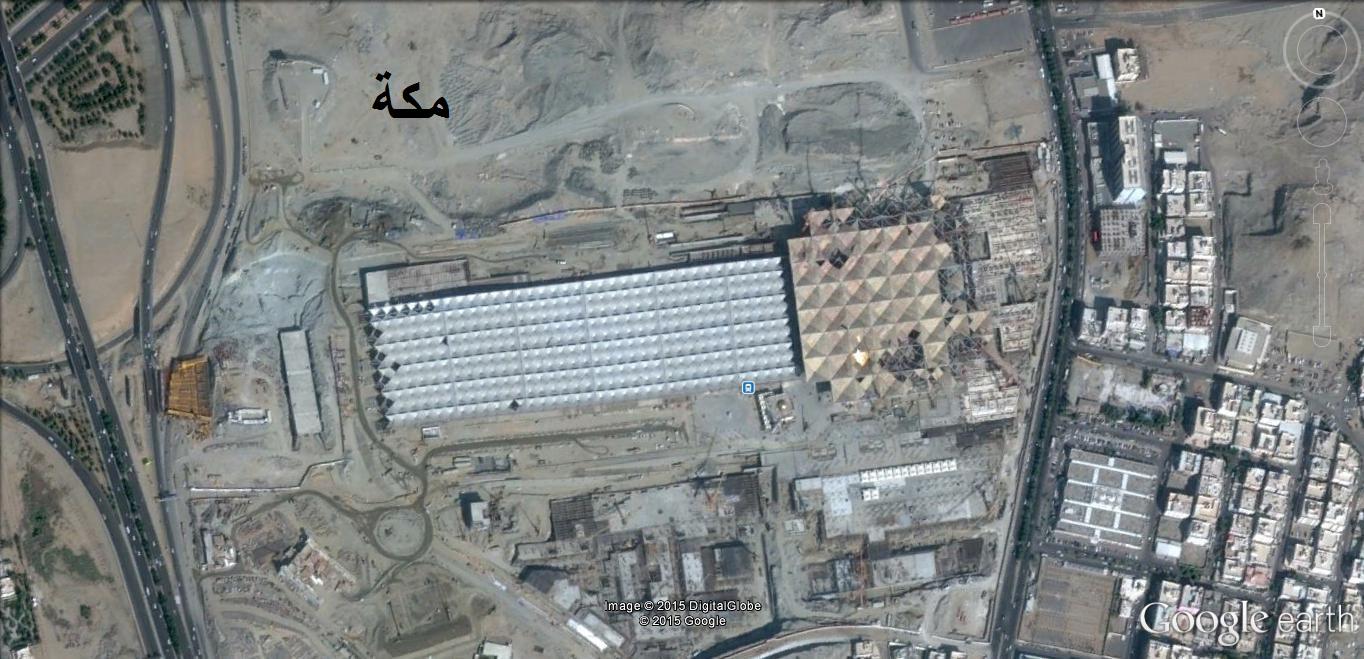
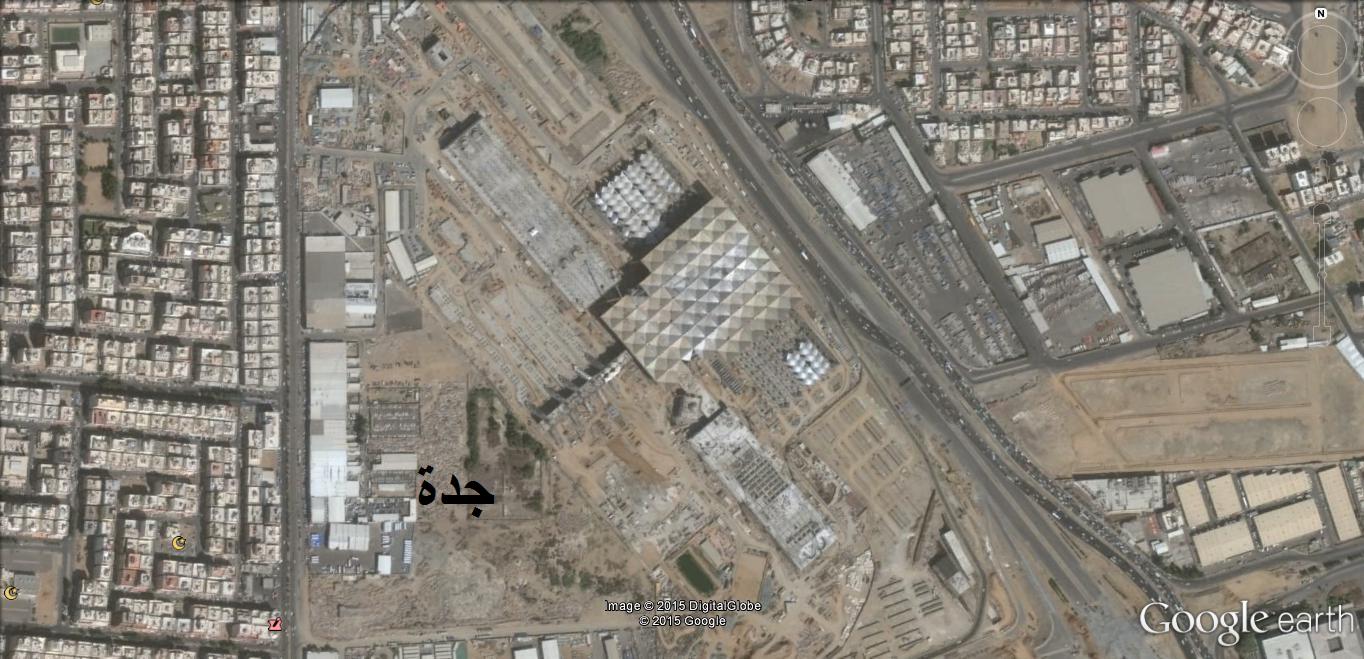
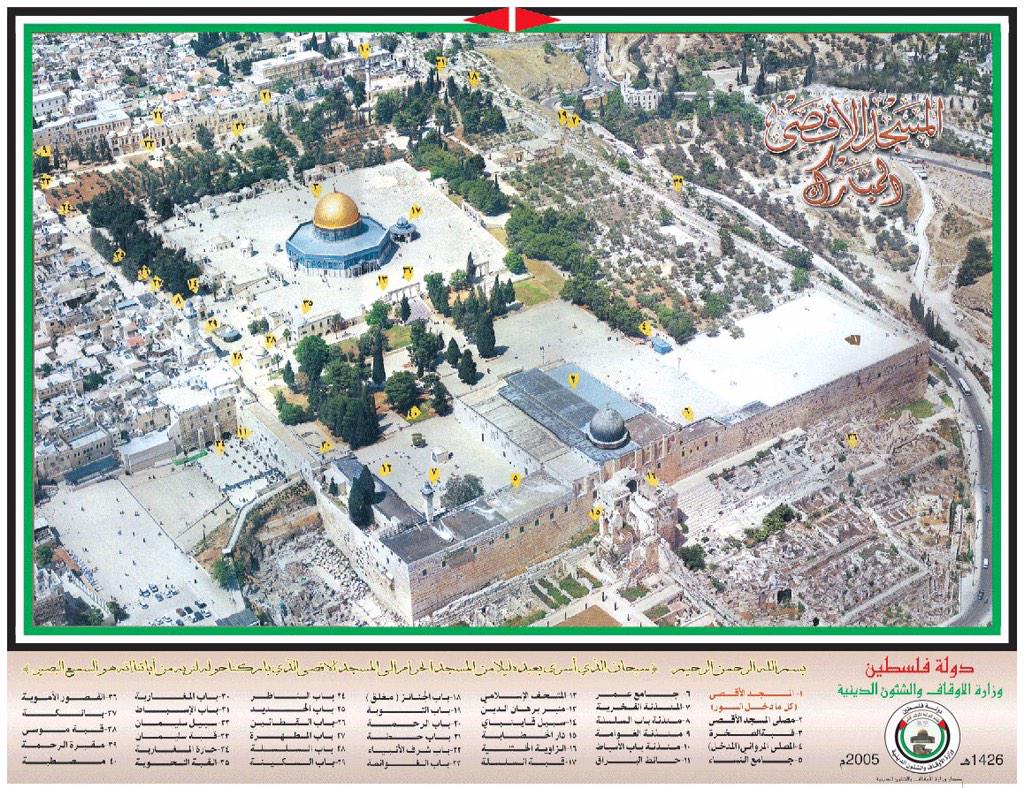
 This Mukabariya isn't for Muadhins according to @meccamoon


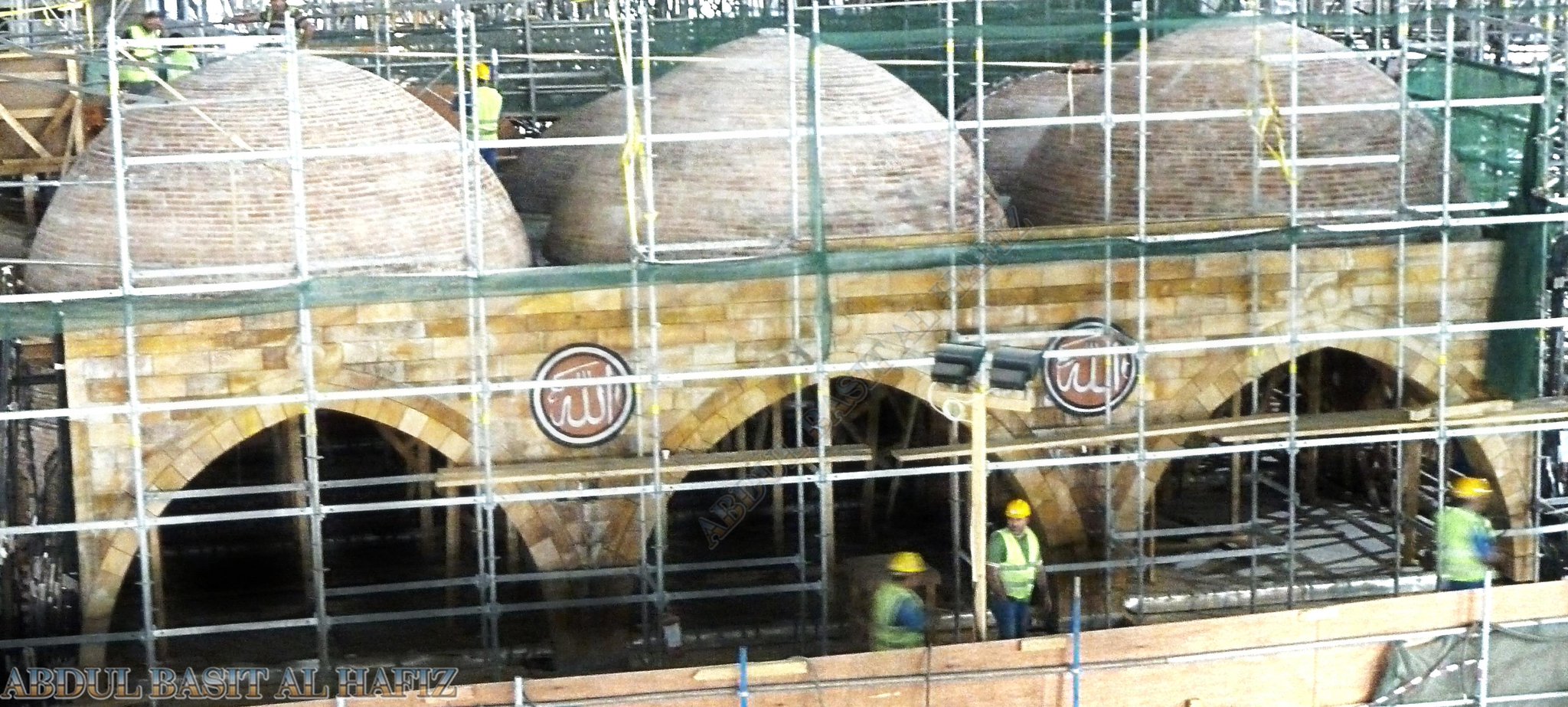


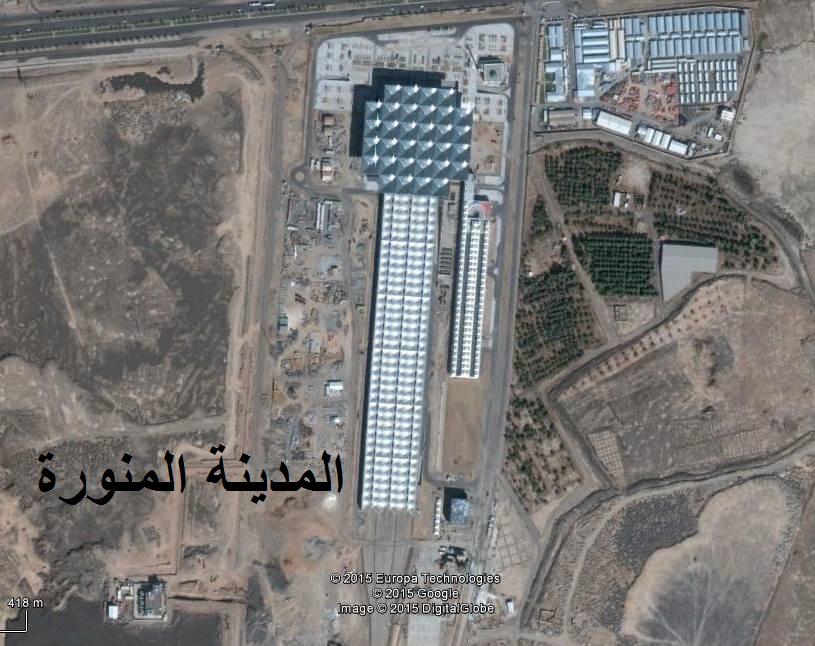
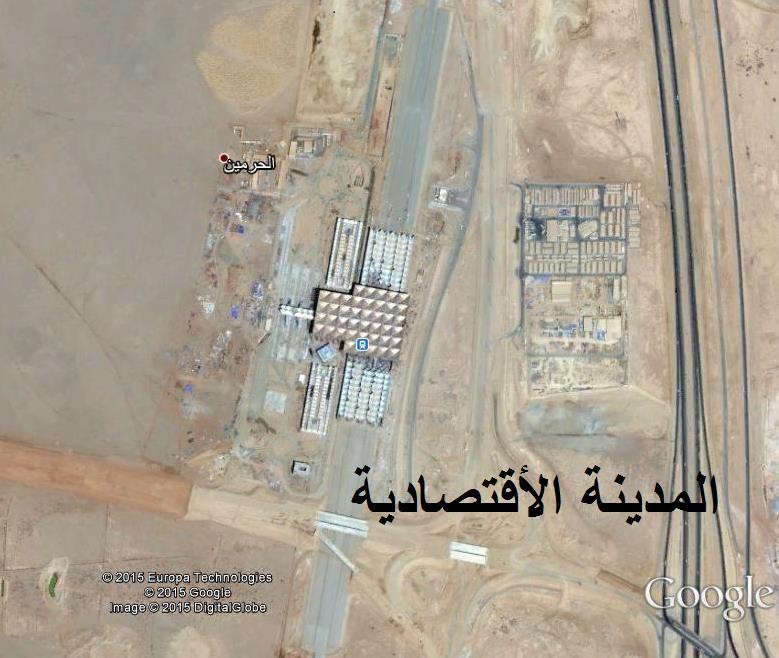




 via ibadahinlife