Saudi Arabia celebrates 9 years
of growth under King Abdullah
Saturday 26 April 2014
Custodian of the Two Holy Mosques King Abdullah today celebrates a glorious nine years as leader of Saudi Arabia, marked by unprecedented economic growth and social development, and far-reaching regional and international peace initiatives.
Saudi citizens pledged their allegiance to the King on Jamad Al-Thani 26, 1426, corresponding to Aug. 1, 2005.
The Kingdom’s major achievements under King Abdullah’s leadership include several major economic, social and education projects across the country.
Crown Prince Salman, deputy premier and minister of defense, commended King Abdullah for his integrity, frankness and nonpartisan approach to international issues, the Saudi Press Agency reported on Friday.
“We have seen outstanding achievements benefiting citizens year after year. This includes the enactment of legislation ensuring more stability and prosperity in the country. We have also seen the king take bold and courageous positions on Arab and Muslim issues,” Prince Salman said in a statement.
Prince Salman said the king’s greatest desire is to see citizens united, particularly on issues affecting the country’s security and economic stability. He said this was vital for the country’s progress and development.
Under King Abdullah, Saudi Arabia has become a member of the G20 group of nations, which brings together some of the world’s most economically advanced countries.
Earlier this week, the king received another honor when he was awarded the Sheikh Zayed Book Prize’s Cultural Personality Award for 2014, in recognition of his humanitarian and cultural contributions in the country and abroad.
The king’s vision and wisdom have strengthened the role of Saudi Arabia in the Arab and Islamic world and globally.
Internally, the Kingdom’s major accomplishments in every city and province have promoted unity and cohesion among the people and the country’s leadership.
King Abdullah has established several economic cities, increased the number of universities from eight to almost 40, and opened colleges, technical and health institutes, and faculties of education for females.
He also built the King Abdullah University of Science and Technology and the Princess Noura University for Women.
He has also played a singular important role in making sure women participate in the country’s social, economic, political and cultural life. He ensured that the Shoura Council appointed 30 women as members, and for them to participate in the upcoming municipal council elections for the first time in the Kingdom’s history.
Deputy Crown Prince Muqrin, deputy premier and advisor to the King, said King Abdullah’s love for citizens has been expressed in his orders for provincial governors to find quick solutions for any complaints filed by them.
President of the Two Holy Mosques Affairs Sheikh Abdul Rahman Al-Sudais congratulated the King for his significant support to expand the two holy mosques and the holy sites, for Umrah and Haj pilgrims. Makkah Gov. Prince Mishaal bin Abdullah congratulated the king and praised him for always being concerned about the rights and welfare of Saudi citizens.
Interior Minister Prince Muhammad bin Naif said that the King’s foresight and wisdom has seen the Kingdom take major strides in the region, Arab world, and across the globe.
Prince Sultan bin Salman, president of the Saudi Commission for Tourism and Antiquities, praised the King for his devotion to citizens and his tireless efforts to maintain stability in the country.
Foreign Minister Prince Saud Al-Faisal underlined several efforts launched by King Abdullah to provide aid to the oppressed Syrian people, restore the rights of the Palestinians, and initiatives to boost the progress and development of Muslim countries and communities across the world. Education Minister Prince Khaled Al-Faisal commended the king for developing the country. This includes his efforts in education such as the King Abdullah Project for General Education Development (Tatweer), aimed at the intellectual enhancement of students.
Joseph Westphal, US ambassador to Saudi Arabia, expressed his warmest congratulations and best wishes to King Abdullah.
“It gives me great pleasure to congratulate King Abdullah and the Saudi people on this wonderful and joyous occasion,” he said.
“Under King Abdullah’s leadership, the enduring and strategic ties between the United States and Saudi Arabia have continued to deepen. Our two nations are working together to confront regional challenges such as Syria, Iran, Egypt, and Yemen, even as we pursue Middle East peace.”
“Both of our nations act to bring stability to global energy markets. And we welcome the tens of thousands of young Saudis studying in the US. We commend King Abdullah for his far-sighted leadership and look forward to continuing our cooperation for the benefit of both the American and Saudi people.”
http://www.arabnews.com/news/561426
Abdullah’s achievements
Future generations to benefit from King’s reforms
Saturday, 26 April 2014
Custodian of the Two Holy Mosques King Abdullah, who ascended the throne in August 2005, has played a remarkable role in taking the Kingdom into the elite club of world nations. King Abdullah has been instrumental in enabling the Kingdom to record marvelous and magnificent achievements in all walks of life. The King’s statesmanship, farsightedness and dynamic leadership qualities have earned him global respect and thus becoming one of the world’s most influential leaders.
King Abdullah has spearheaded an unstoppable march of development and reforms with a human face. One can see every day something new that could be recorded in his achievements. In the glorious years of his rule, the King’s top concern is the welfare and well-being of his people. While framing the Kingdom’s development plans, he gave foremost priority to citizens and the core of all his reforms is moderation and balanced development of all regions.
In all his words and directives to officials, Abu Miteb emphasized the point “Citizen is first.” He underscored the significance of investing in citizens through implementing projects aimed at developing human resources, and taking decisions aimed at fulfilling their requirements and achieving their welfare in all the vital sectors, including health, education, and housing.
Under the leadership of King Abdullah, Saudi Arabia is now in the forefront of countries that give more focus on education and healthcare through pumping billions of riyals for new universities and medical cities. Education and healthcare continue to remain the key areas of government spending, accounting for 38 percent of total spending in the current fiscal year’s budget. It also gave top priority to meet the housing requirements of citizens with allocation of SR250 billion to construct 500,000 new housing units in different parts of the Kingdom, in addition to raising the capital of Real Estate Development Fund. All these initiatives are aimed at ensuring a prosperous and glorious future for the citizens, especially the younger generation.
Women’s empowerment is one of the major highlights of the King’s political reforms. As part of a bold initiative to ensure women’s participation in the decision-making process, 30 women have been nominated to the Shoura Council, in addition to granting women the right to vote and run as candidates in local elections.
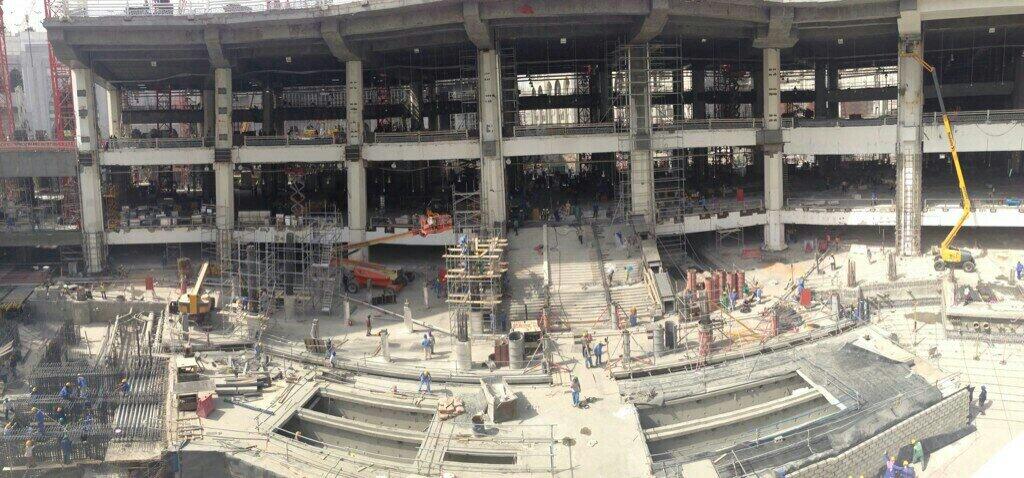
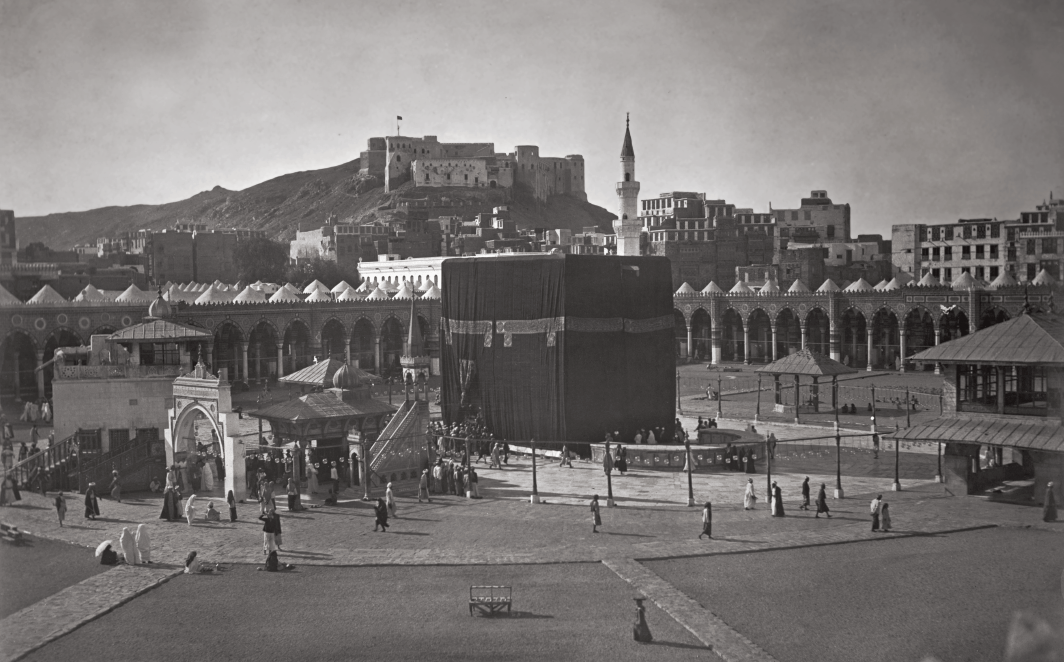
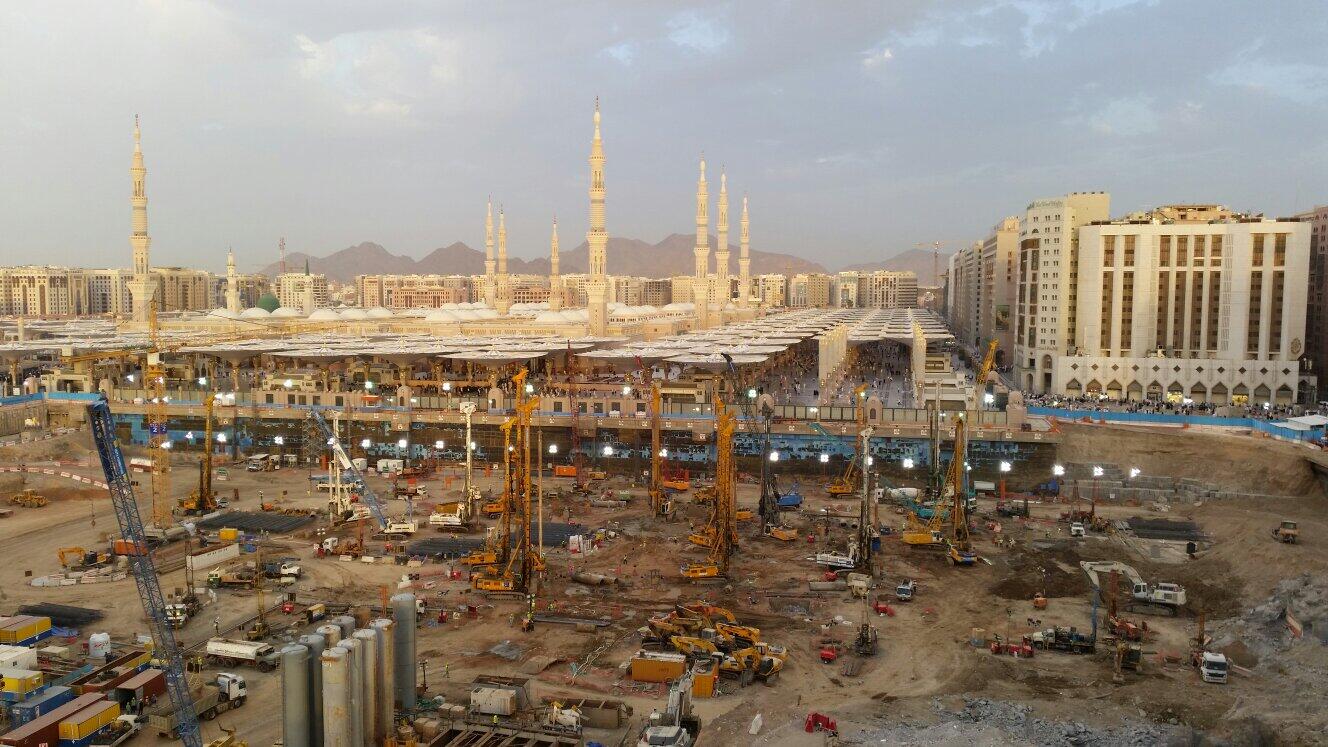
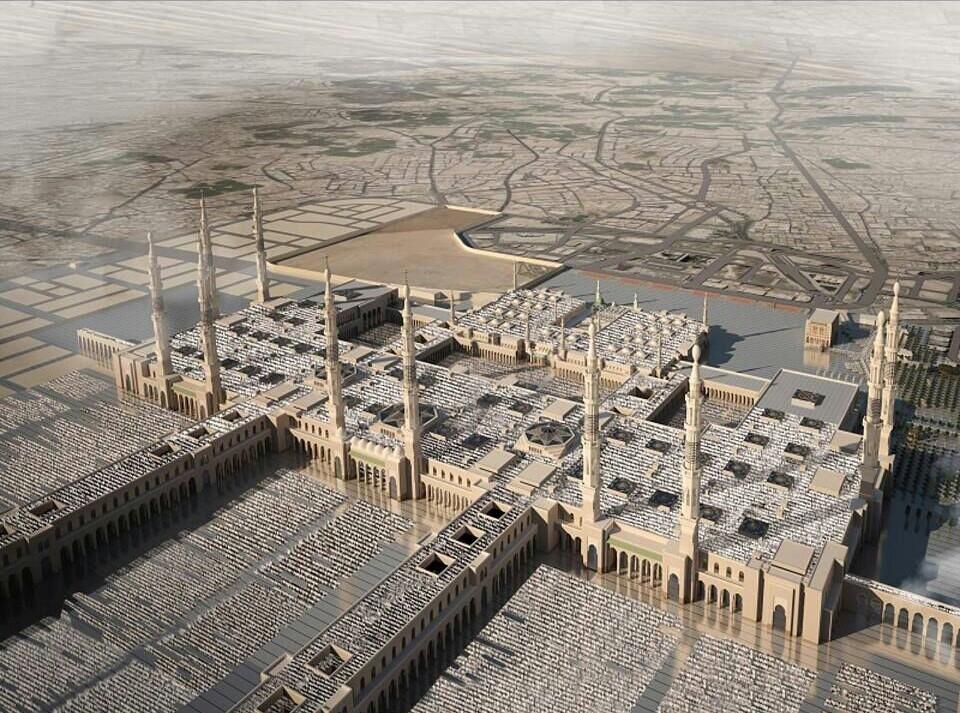
King Abdullah’s another major contribution is to make available of the best ever services and facilities for the Haj and Umrah pilgrims. The King has ordered the largest ever expansion in the history of the two holy mosques. With the completion of the ongoing expansion project costing SR100 billion, the Grand Mosque in Makkah will double its space with a capacity to accommodate two million worshippers. Education is key to progress Under King Abdullah, Saudi Arabia is witnessing unprecedented development in the education sector. The King has given top priority to the Kingdom’s educational and technological advancement. He issued directives and took landmark decisions to concentrate on developing people of the country and creating a promising generation who possess skills and capabilities to lead the country to a bright future. These decisions included expansion of educational projects and setting up of universities in almost all major cities. Nine years ago, there were only nine universities in the Kingdom. Now, the numbers have shot up to 28 government universities and five private ones. Earlier this month, the King ordered setting up of three new universities in North Jeddah, Bisha and Hafar Al-Batin. Apart from these, hundreds of new colleges and institutes have also been established. All these were instrumental in developing the potential and talents of the younger generation so as to enable them to play a creative role in the nation building process.
In 2005, the King launched the foreign scholarship program to send Saudi students to reputable universities around the world. More than 200,000 Saudis have so far been benefited from the program. The King Abdullah University of Science and Technology in Thuwal, near Jeddah was a major contribution by the King. After realizing the role of human resources development in the nation’s growth and development, the King took initiative to set aside the highest percentage of budgetary allocations for education.
In the budget for 2014, the education sector has won about one-fourth of the total allocations. Out of the total expenditure, amounting to SR855 billion, the allocation for education and training was SR210 billion, a three percent increase compared with an all-time high of 21 percent last year. In education and training, there has been a renewed focus on meeting the growing requirements of the employment market for qualified hands in various sectors over the coming years.
In 2012, Saudi Arabia has entered the elite club of 21 nations possessing all the essential components of e-readiness that enable a nation to offer an effective e-government and empower it further to render all types of e-services for public and private sectors. An open university has also been started and its focus is mainly on e-education and distant education. All these emphasize the vision of a wise ruler that citizen is the first to develop and that the best investment is in human resources.
Health is wealth King Abdullah shouldered a big task of making the Kingdom’s health sector one of the premier sectors providing top quality services and facilities to ensure healthy living of citizens. A large number of Saudi young men and women have been sent abroad for higher studies in various medical specialties by taking advantage of the King’s foreign scholarship program. The King also ordered setting up of a number of medical cities, including King Fahd Medical City in Riyadh, King Abdullah Medical City in Makkah, King Faisal Medical City in Abha, Prince Muhammad Medical City in Sakaka and King Khaled Medical City in Dammam. A large number of hospital and medical center projects have either been implemented or under various phases of implementation in various regions of the Kingdom.
Economic boom Saudi Arabia is witnessing unprecedented economic boom and robust growth under King Abdullah. Within a short span of nine years, the King has led the nation to become one of the major global economic powers with a membership in G20 and other blocs. According to the report of the International Monetary Fund in 2013, Kingdom ranked 10 among G20 countries in terms of per capita GDP and is expected to occupy the rank of nine within the coming five years.
The King is always keen to achieve balanced development of all regions such that the benefits of prosperity reach all sections of people. There are four economic cities, which are under various phases of implementation, and they would bring in more prosperity by attracting huge domestic and foreign investments and create jobs for hundreds of thousands of Saudis.
Public transport and Landbridge Under the King, Saudi Arabia is witnessing remarkable achievements in the transport and communications sector. The most important among them is the public transport system, especially the railway projects. The government has awarded contracts worth $22.5 billion to three consortia to carry out designing and construction works of Riyadh metro network. The consortia consist of giant companies, which are leading manufacturers and builders of rail networks and trains in the world. The gigantic project is expected to be completed within five years.
Similar is the case with the public transport system in the major cities, including Riyadh, Jeddah, Makkah and Madinah.
Works of the Haramain Rail, which connect Makkah and Madinah via Jeddah, are progressing well and the ambitious project is due to complete by the end of 2015. The Landbridge project is one of the biggest in the region with an estimated investment of $7 billion, and involves construction of 950km of new rail road between Riyadh and Jeddah and another 115 km track between Dammam and Jubail. Apart from this, works are under way for the North South Railway, which is a 2,400km passenger and freight rail line that will further boost the Kingdom’s economic prosperity, in addition to passenger traffic.
http://www.saudigazette.com.sa/index...20140426203129 
The completion of the ongoing expansion project costing SR100 billion, the Grand Mosque in Makkah
will double its space with a capacity to accommodate two million worshippers.

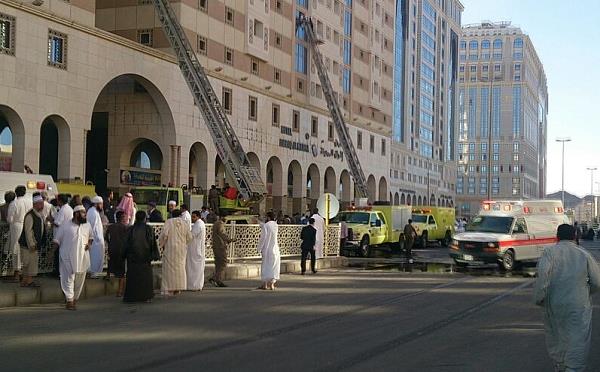
The ongoing Prophet's Mosque expansion project to increase the capacity